The Evolution of the Japanese Bento Box | Tradition Meets Innovation
CoCoRo編集部
CoCoRo

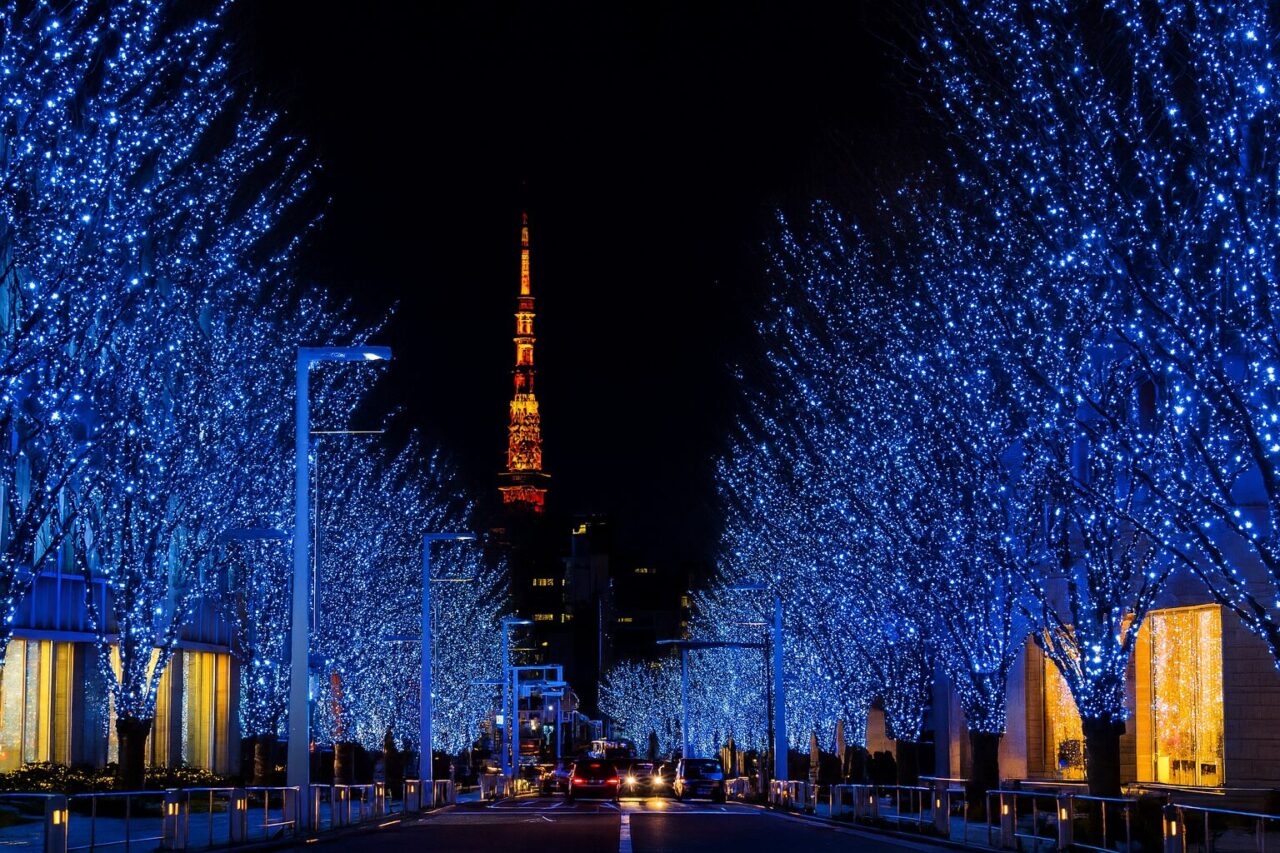
Christmas in Japan often takes on a form that differs from what many people overseas might imagine. Unlike in regions where Christmas carries a strong religious meaning, it is widely enjoyed in Japan as a seasonal event—something that brightens the atmosphere of winter and brings a sense of festivity to the streets. Even though December 25 is not a national holiday, many people seem to enjoy the season in a natural, unforced way, simply as part of the flow of everyday life.
Visitors from abroad sometimes wonder why Christmas has become so widespread in a country where it is not tied to religious beliefs. For people living in Japan, however, Christmas already feels like one of the familiar “winter landscapes” that return each year. The way it has taken root appears to be shaped by several overlapping factors: the Japanese appreciation for seasonal changes, the influence of commercial promotion, and the evolution of urban culture.
This article explores those differences through an international lens and traces how Christmas in Japan developed its unique character and came to be embraced as a winter tradition.
In many Western countries, Christmas is understood as an important religious and family-centered occasion. It is a time when people attend church services, gather around the table with relatives, and spend meaningful moments together. The day carries a sense of tradition and spiritual significance.
In Japan, however, this religious premise is not widely shared. December 25 is often a regular weekday, with schools and companies operating as usual. Even so, cities are filled with bright decorations, and many people enjoy the festive atmosphere simply as part of the winter season. Rather than a religious observance, Christmas in Japan is embraced as a seasonal event that adds color and light to the colder months—an aspect that seems to characterize how the holiday has taken root here.
In many Western countries, Christmas is strongly associated with gathering as a family. It is not typically regarded as a romantic occasion for couples. In Japan, however, the holiday is often seen as a special day to spend with a partner or close friends, leading to fully booked restaurants and hotels during the season.
Several factors may lie behind this contrast. In Japan, families traditionally come together during the New Year holidays, creating a separate cultural space for family-oriented gatherings. At the same time, Christmas in Japan carries very little religious meaning, allowing it to be enjoyed as an inclusive event that anyone can participate in. These differing social values appear to influence how the holiday is experienced and with whom people choose to spend it.
Japan has a cultural openness that allows new customs and celebrations to be adopted with relative ease. Because Christmas in Japan does not require religious involvement, many people find it easy to participate in and enjoy. The holiday has gradually grown as an accessible event that fits comfortably into everyday life. Whether through family gatherings at home, festive city decorations, or special moments spent with a partner, people can choose how they want to enjoy the season. This freedom of participation seems to be one of the reasons Christmas became so familiar and widely embraced in Japan.
Christmas is said to have been introduced to Japan during the Meiji era. At first, the holiday was observed quietly within a limited number of churches and foreign settlements. As Japan entered the Taishō and early Shōwa periods, department stores began promoting Christmas as part of their seasonal sales campaigns. This commercial push gradually made the holiday more visible to the general public. The decorated trees in store windows and the suggestion of Christmas gifts offered a fresh and modern seasonal scene at the time, and these displays played a meaningful role in shaping how Christmas began to take root in Japanese cities.
As Japan entered the postwar era, Western culture spread through television, magazines, and other media, often carrying a sense of aspiration and modernity. Christmas, introduced through these channels, gradually became associated with the bright and stylish atmosphere of urban life, increasing its presence in Japanese society. The momentum of the country’s rapid economic growth further supported this trend, and Christmas slowly took root as one of the familiar winter landscapes in Japan.
From the period of rapid economic growth onward, companies began to treat Christmas as an important commercial season and launched active advertising campaigns. Demand for Christmas cakes and fried chicken increased, and the practice of exchanging gifts became more widespread. Many of the customs now associated with Christmas in Japan seem to have taken shape during this time.
Corporate marketing certainly played a significant role in making Christmas more familiar to the general public. At the same time, marketing alone may not fully explain how the holiday eventually came to be experienced as a sensory “seasonal landscape,” as it is today. Other cultural factors appear to have contributed to this softer, more atmospheric way of enjoying Christmas in Japan.
Corporate promotions and seasonal campaigns certainly helped raise awareness of Christmas in Japan. However, the reason the holiday became more deeply embedded in daily life seems to relate to a broader cultural sensibility—particularly the Japanese appreciation for seasonal changes. The lights and decorations that filled city streets blended harmoniously with the quiet atmosphere of winter, gradually becoming a natural part of everyday scenery. As this sense of familiarity grew, Christmas moved beyond the notion of a simple commercial event and began to be received as one of the symbolic landscapes of the season. This gentle shift in how the holiday was perceived appears to have played a meaningful role in shaping the way Christmas is enjoyed in Japan today.
In Japan, there is a long-standing cultural tradition of appreciating the subtle changes that come with each season. Events such as cherry-blossom viewing, autumn foliage outings, and moon-viewing are deeply rooted in daily life, reflecting a shared attentiveness to seasonal beauty. Christmas, too, came to be understood along this continuum. Rather than being viewed primarily as a religious observance, it gradually spread as a familiar seasonal moment—one that adds color to the transition into winter and enriches the atmosphere of the season.
Winter in Japan is a season when shorter daylight hours create a natural desire for warmth and reassurance in the form of lights. Illuminations and other light-based displays blend well with the crisp winter air, offering a gentle sense of visual comfort. This sensitivity toward light may help explain why Christmas decorations and illuminations have become so popular in Japan.
When Christmas songs begin to play in stores and city streets, many people in Japan start to feel the approach of the year’s end. Christmas often functions as a kind of seasonal cue—an informal signal that winter has truly begun. This subtle role makes the holiday feel familiar and close, contributing to the way Christmas has settled into everyday life in Japan.
In Japan, winter illuminations have come to be appreciated less as symbols of Christmas and more as seasonal scenery that brightens the city during the colder months. Illuminations certainly exist in Western countries as well, but they are often limited to decorations placed by individual families on homes and in gardens. It is far less common for entire city districts to be enveloped in coordinated displays of light. Japan’s approach to illumination appears to reflect an interest in creating a shared winter atmosphere—something that enhances the landscape itself rather than functioning solely as part of Christmas festivities.
In Japan, large-scale illumination events are often organized by commercial complexes and public spaces, allowing entire districts to share and enjoy a collective “season of light.” As these displays became part of urban landscape design, they gradually developed into a cultural practice that enhances the mood of winter as a whole—not just the Christmas period.
A distinctive feature of Japanese illuminations is their long display period, which differs notably from many Western countries where festive lights often fade quickly once Christmas Day has passed. In Japan, illuminations typically begin in December and, in many areas, continue well into the New Year.
This extended schedule seems to reflect the way illuminations are perceived—not as part of a religious event, but as a seasonal expression that brightens the winter months. The gentle glow of lights softens the quiet and cold of winter nights, creating a sense of comfort and beauty. This connection between light and the winter atmosphere appears to be one of the defining characteristics of Japan’s illumination culture.
Illuminations have also come to play an important role as a winter tourism resource. Events are held in regions across the country, providing opportunities to showcase local charm and draw visitors. Many people travel specifically to enjoy these light displays, and in some cases, illuminations have even become a motivation for winter trips.
Considering these developments, Japanese illumination culture can be seen as something broader than a Christmas-related tradition. It has grown into a unique way of appreciating the “season of light,” one that accompanies the quiet and cold of winter and adds warmth and beauty to the season.
Unlike in many Western countries, where Christmas is primarily a family-oriented holiday, Christmas in Japan often carries the image of a day spent with a partner or close friends. The festive atmosphere of city streets and the availability of special restaurant menus help create an environment where people can easily enjoy memorable moments with someone important to them.
This sense of freedom—being able to choose who to spend the day with and how to enjoy it—may have contributed to making Christmas a familiar and appealing event for a wide range of people in Japan.
In Japan, Christmas was accepted in a form that did not require strict religious observance. Because of this, the holiday spread as something anyone could enjoy, regardless of personal beliefs. People can take part in many different ways—spending time at home, enjoying city decorations, or participating in commercial events—and this flexibility seems to have supported Christmas in becoming a familiar part of cultural life.
By maintaining a certain distance from religious meaning, Christmas in Japan has increasingly taken on the character of a seasonal pleasure. In this sense, the holiday appears to have blended naturally into everyday life, becoming one of the moments that enrich the feeling of winter.
Japan already has many traditions that celebrate the changing seasons, and Christmas appears to have been understood along this same continuum. Much like autumn foliage outings, the winter solstice, or New Year’s shrine visits, Christmas gradually came to be positioned as a “seasonal marker” that signals the arrival of year’s end.
As this idea of Christmas as a seasonal event became more widespread, the holiday took root as part of everyday cultural life—separate from religious meaning, yet naturally integrated into the rhythm of winter in Japan.
Corporate promotion certainly helped make Christmas widely known in Japan. Yet the deeper reason the holiday became so firmly rooted seems to lie in cultural factors that marketing alone cannot fully explain. Illuminations that gently brighten the quiet of winter nights, along with the festive atmosphere that spreads through city streets, resonate well with Japan’s long-standing appreciation for seasonal beauty. Through this connection, Christmas came to be accepted naturally as one of the familiar winter traditions.
Although the holiday maintains a certain distance from religious meaning, its growth as a seasonal event may be viewed as a uniquely Japanese cultural development. This affinity with seasonal sensibilities appears to have shaped Christmas into more than a commercial occasion—transforming it into a symbolic winter landscape within everyday life in Japan.