What Is Real Wasabi? Discover the Japanese Culture Behind the Iconic Green Spice
CoCoRo編集部
CoCoRo

Japan in winter offers a unique rhythm of seasonal food that you won’t experience at any other time of year.
In December, cities fill with festive Western-style Christmas dishes, while early January brings the traditional atmosphere of Hatsumode—the first shrine visit of the year—along with classic Japanese New Year foods. Within just a few weeks, the entire culinary landscape shifts dramatically, creating a dining experience that is distinctly Japanese.
This transformation is shaped not only by holidays but also by Japan’s climate, natural environment, and social customs. As the weather grows colder, warm dishes become especially comforting, and winter seafood reaches peak flavor as fish accumulate fat in the frigid waters. The New Year season adds layers of tradition and celebration, filling tables and city streets with a rich variety of seasonal foods.
This guide explores why winter is considered Japan’s most flavorful season and introduces the must-try dishes travelers can enjoy during their visit.
Winter is the season when Japanese cuisine reveals its deepest flavors. It is not only the colder weather that transforms people’s appetite; it is also the abundance of seasonal ingredients and the succession of cultural events that fill cities with diverse and distinctly Japanese tastes. Here, we explore why winter is often considered the most flavorful season in Japan, looking at the climate, culinary traditions, and seasonal foods that define it.
As temperatures drop, people naturally crave warm and comforting meals. This physiological response becomes the foundation of Japan’s winter dining culture.
Dashi—Japan’s essential soup stock made from kombu kelp and katsuobushi—reaches its peak expression in winter. The umami compounds dissolved in hot broth gain aroma and depth when contrasted with the cold air, creating a soothing warmth that spreads through the body.
Because of this, dishes such as oden, hot pot (nabe), and various soups take center stage on winter tables across the country. The climate itself enhances their flavor, allowing the subtle umami of Japanese cuisine to shine more beautifully than in any other season.
Winter turns Japan’s coastal waters into a true treasure trove.
As water temperatures drop, many fish accumulate fat to survive the cold—resulting in richer flavor and an exceptionally tender texture. This is why winter seafood is considered the most delicious of the year.
Yellowtail (buri), snow crab, and salmon all reach peak season during winter. Their buttery, melt-in-your-mouth quality shines whether served as sashimi, grilled, or in regional hot pot dishes.
These seasonal conditions have shaped Japanese cuisine for centuries. Each region developed its own unique ways of preparing winter seafood, and dishes from the sea remain essential on New Year and year-end dining tables across the country.
Japan’s winter is marked by a rare succession of holidays that blend Western and Japanese traditions.
December brings the festive atmosphere of Christmas, filling cities with Western-style sweets and seasonal dishes. Just days later, the New Year period begins—along with Hatsumode, the first shrine visit of the year—and the culinary mood shifts dramatically toward traditional Japanese foods.
This rapid transition from Christmas menus to New Year cuisine is unusually distinct compared with other countries.
Both households and restaurants adjust their offerings to match each celebration, and even convenience stores roll out limited-time items for Christmas, New Year’s Eve, and the first days of January.
The result is a short but vibrant season in which travelers can experience the widest variety of Japanese winter foods, shaped by cultural layers that overlap only once a year.
Christmas in Japan is not a direct copy of Western traditions;
it has evolved into a distinctly Japanese food culture shaped by everyday lifestyle, commerce, and the national love of seasonal celebrations.
While decorations may resemble those found in Europe or the U.S., the dishes served at home and the festive atmosphere in the streets reflect Japan’s own interpretation of Christmas.
On Christmas Eve, families typically enjoy chicken instead of turkey, a choice influenced by home kitchen size, oven availability, and decades of commercial promotion. For dessert, the star of the evening is not fruitcake but strawberry shortcake, which has become an iconic Japanese Christmas treat. Department stores and convenience stores play a major role as well, offering a wide range of take-home Christmas meals, from roasted chicken to holiday desserts—making it easy for families and friends to celebrate at home. This section explores the charm of Japanese-style Christmas food and why it has become such an integral part of winter in Japan.
In Japan, the classic Christmas cake is the strawberry shortcake—a light sponge layered with whipped cream and topped with bright red berries. Its popularity is rooted in distinctly Japanese aesthetics: the combination of white and red, colors associated with celebration and purity, and a size suitable for families to share. In contrast, Western Christmas cakes often use dried fruit and alcohol, resulting in a much richer, heavier dessert. This makes Japan’s airy, fresh shortcake feel surprisingly unique and memorable to international visitors.
Many travelers are surprised to learn that Japan’s Christmas dinner features chicken instead of turkey.
The reason lies in the structure of Japanese homes. Large ovens—common in Europe and the U.S.—are rare in most Japanese households, making it impractical to roast a whole turkey. Chicken, however, cooks easily in smaller appliances and quickly became the practical choice.
Over time, restaurant chains and food companies promoted chicken as the “go-to” Christmas dish, and it eventually became a national tradition. Today, enjoying Christmas chicken is one of the most recognizable parts of a Japanese-style Christmas.
Another distinctive feature of Christmas in Japan is the take-home feast culture.
Department store food halls (known as depachika) offer beautifully prepared roast beef, hors d’oeuvres, and premium desserts, while convenience stores release limited-edition chicken, cakes, and holiday sweets.
With more dual-income households and busy year-end schedules, creating a festive meal at home using high-quality store-bought dishes has become increasingly common.
The cold winter climate also helps food stay fresh, supporting the growth of this take-home dining trend.
As a result, many families in Japan celebrate Christmas at home rather than dining out, making it a warm and intimate winter tradition unique to the country.
Among all the winter foods Japan has to offer, the street stalls at Hatsumode—the first shrine visit of the New Year—are the ones travelers are most likely to encounter.
From January 1 onward, shrines and temples across the country fill with rows of food vendors, welcoming visitors with warm, comforting dishes.
Unlike summer festival stalls, which appear only during specific events and limited dates, Hatsumode takes place nationwide and attracts millions of people.
This makes it one of the most reliable opportunities for visitors—even those staying in major cities—to experience authentic Japanese street food culture.
The foods sold at these stalls are perfect for winter: easy to eat while walking, hearty, and served piping hot. Here are some of the winter street foods most commonly found during Hatsumode.
When people think of winter street food in Japan, hot soups and smoky charcoal-grilled dishes immediately come to mind.
One of the most comforting is motsu nikomi, a rich stew made from beef offal simmered in miso or soy sauce. The warmth of the broth, combined with the aroma of ginger, makes it the perfect dish to revive cold hands and feet during a New Year shrine visit. The more you chew, the more umami spreads across the palate—a flavor deeply rooted in Japanese winter traditions.
Grilled meat skewers and yakitori are also Hatsumode staples. The scent of charcoal drifting through the air and the pleasure of eating freshly grilled, piping-hot meat while walking make these dishes especially popular among travelers. They are easy to enjoy on the go and offer an approachable entry point into Japan’s street food culture.
No New Year shrine visit is complete without a cup of amazake. Made from sake lees or rice koji, amazake has long been considered a symbol of good fortune and renewal. Served warm, its gentle sweetness and silky texture warm the body and evoke the unmistakable feeling of Japanese winter.
Another beloved treat is obanyaki (also known as imagawayaki)—a round, warm dessert with crisp edges and a soft, sweet filling, typically red bean paste. Easy to hold and satisfying to eat, it pairs perfectly with a stroll through a shrine on a cold January day.
Hatsumode—the first shrine or temple visit of the year—is a longstanding Japanese tradition where people pray for health, safety, and good fortune.
To serve the huge number of visitors, merchants historically set up food stalls along the pathways, offering warm dishes and auspicious items. This practice eventually became part of the cultural landscape of the New Year season.
In Japanese culture, hare refers to special, festive days distinct from ordinary life. On such days, it is customary to enjoy foods that feel celebratory or different from everyday meals.
Eating street food at Hatsumode is therefore more than just a convenience—it enhances the festive experience and allows visitors to savor the unique flavors of Japan’s winter traditions.
Unlike the reliably found street stalls of Hatsumode, winter event foods in Japan’s major cities appear only if you happen to be in the right place at the right time.
Seasonal attractions such as Christmas markets and large-scale illumination displays often include limited-time food stands offering warm drinks, pastries, and other winter treats.
You may not come across them during every trip, but if you do, they offer an atmospheric way to experience Japan’s winter—from glowing city streets to festive crowds enjoying hot seasonal specialties.
In recent years, Christmas markets have become increasingly popular across Japan.
These events feature European-inspired winter foods such as hot wine (mulled wine), hot chocolate, and Stollen, creating a warm, nostalgic atmosphere.
Sipping a hot drink while surrounded by sparkling lights is one of the most memorable winter experiences travelers can enjoy.
Because dates and locations vary by city, visiting a Christmas market often depends on timing—but if your trip aligns with one, it is well worth the stop.
Winter illuminations—massive LED displays that brighten parks, plazas, and city centers—are a defining feature of Japan’s cold season.
Some illumination venues include seasonal food stalls serving hot drinks, soups, and light snacks.
These stands provide a welcome break during chilly evening walks and let visitors enjoy Japan’s winter flavors in a beautifully lit setting.
Whether it’s a cup of steaming cocoa or a warm bowl of soup, these offerings create a cozy moment amid the dazzling nighttime scenery.
Japanese cafés and restaurants also play a big role in shaping the winter dining scene.
During the Christmas and New Year period, they introduce winter-only desserts, holiday-themed drinks, and seasonal pastries.
Café chains release special lattes, hotels offer festive sweets, and bakeries sell limited-edition breads—all easy to enjoy during casual city walks.
Even if you don’t encounter a major event, these winter-exclusive menus are widely available in urban areas, making them an accessible treat for travelers exploring Japan in the colder months.
Winter is when Japanese cuisine truly shines. The cold air sharpens the natural umami of ingredients, while warm dishes built on dashi offer a comforting depth that resonates throughout the body. It is also the season when shun—the idea of eating ingredients at their absolute best—is most clearly expressed, allowing chefs to showcase the full potential of winter produce and seafood.
A beloved winter classic, oden represents the essence of Japanese dashi.
Daikon radish, eggs, and fish cakes are slowly simmered in a broth made from kombu and katsuobushi, allowing flavor to penetrate deep into each ingredient.
As the temperature drops, the aroma of steaming dashi becomes even more inviting, creating a scene that feels unmistakably like winter in Japan.
For many travelers, oden offers a gentle, comforting introduction to Japanese winter cuisine—simple, warming, and rich with umami.
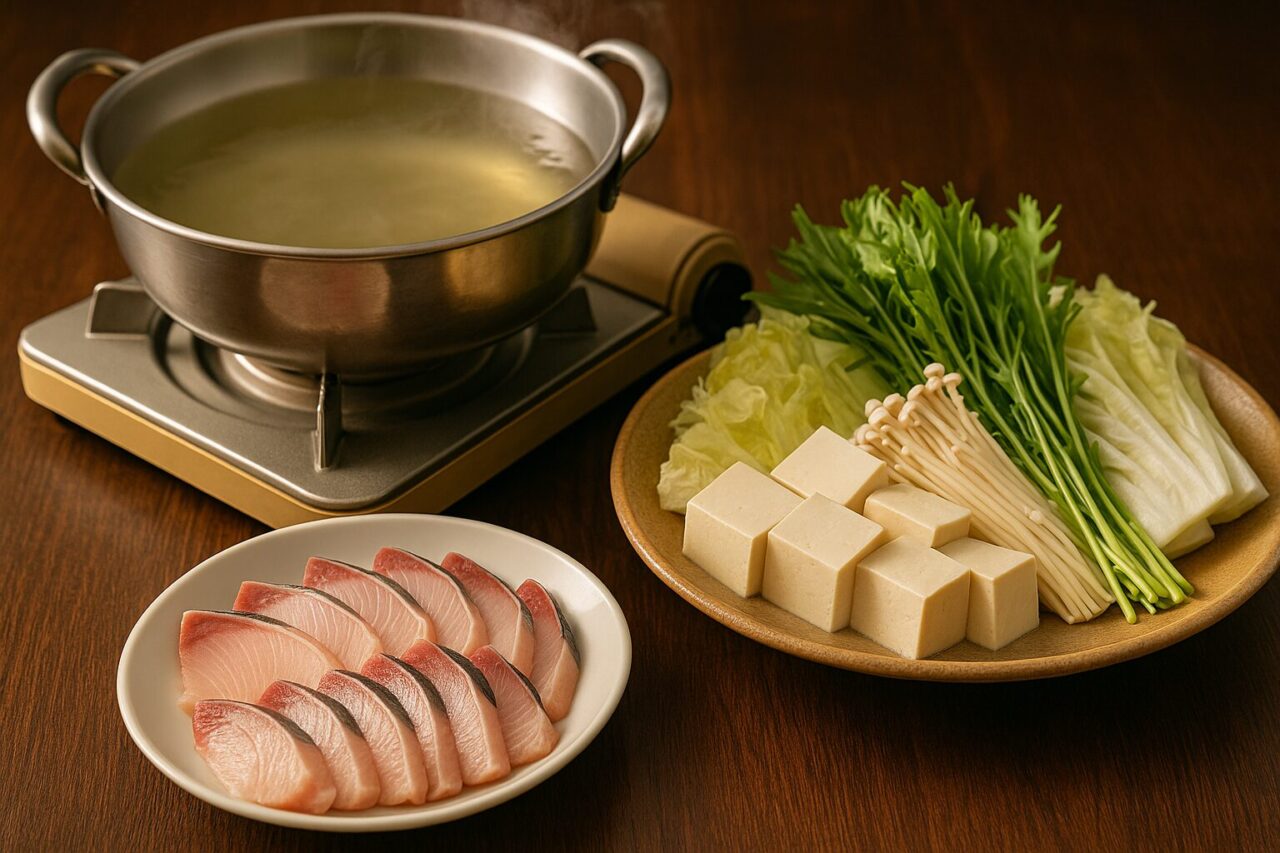
Hot pot dishes, known collectively as nabe, are indispensable in Japanese winter dining.
From yosenabe and sukiyaki to shabu-shabu, kimchi nabe, ishikari nabe, and kaki nabe, every region has its own specialties and flavor profiles.
Broths made from dashi, miso, or soy sauce make nabe perfect for cold weather, allowing vegetables, seafood, and meat to release their flavors into the pot.
Whether enjoyed at home or in restaurants, nabe is one of the most popular—and most social—ways to experience Japanese winter food.
Seafood is one of the highlights of winter in Japan.
Buri (yellowtail) becomes especially rich and fatty during this season, making it exceptional as sashimi, teriyaki, or the regional winter favorite buri shabu.
Crab, particularly snow crab (zuwaigani) and king crab (tarabagani), also reaches peak season in winter. The meat becomes firm, sweet, and full of flavor. Because fishing seasons differ across regions, travelers often plan trips specifically to enjoy winter crab.
Fugu (pufferfish) is another celebrated winter delicacy, admired for its delicate flavor and elegant presentation. Only licensed chefs are allowed to prepare fugu due to its toxicity, and the strict safety standards ensure that visitors can enjoy this high-end dish with confidence. The careful craftsmanship behind fugu reflects the precision and trust woven into Japanese culinary culture.
Japanese convenience stores—often praised as the most efficient retail shops in the world—are an invaluable resource for travelers.
In winter, they release a variety of seasonal limited items, allowing visitors to enjoy authentic Japanese flavors at affordable prices. Even during a short break in your itinerary, you can experience the taste of Japan’s winter simply by stepping into a convenience store.
During the colder months, convenience stores stock a dedicated hot drink section filled with items such as corn soup, potage, and sweet red bean soup (oshiruko).
Corn soup, in particular, is beloved by international travelers for its smooth, comforting flavor—often described as “the taste of Japanese winter.”
The warmth of the hot shelves and the aroma of freshly heated soup provide a welcome moment of rest during busy days of sightseeing.
Also available in vending machines
Oden is one of the most iconic winter offerings at Japanese convenience stores.
The broth varies by region, and the variety of ingredients—daikon, fish cakes, tofu, eggs—makes it easy to customize your own bowl.
Nikuman (steamed meat buns) are another winter favorite, ideal for eating with one hand while walking through the cold.
Many stores also introduce seasonal flavors of cup noodles and microwave-ready noodle bowls, adding even more choices for travelers looking to warm up quickly.
Winter is a major season for sweets in Japan.
Convenience stores roll out limited flavors such as chocolate-based desserts, holiday sweets, and a wide range of treats featuring strawberries—the star ingredient from December to February.
You’ll find everything from shortcake-inspired desserts to strawberry cream-filled buns at bakery counters.
These easy-to-buy, easy-to-enjoy items are popular not only among travelers but also among locals who look forward to seasonal releases every year.
Winter in Japan is a uniquely rich culinary season, shaped by the rapid shift between Christmas and New Year’s traditions. Within just a few weeks, the food landscape transforms—from festive Western-style dishes to deeply rooted Japanese New Year cuisine.
At the same time, the cold weather enhances the flavor of dashi, the sea offers its most exceptional seasonal seafood, and warm comfort dishes such as oden, hot pot, and grilled items fill the streets and homes across the country. Urban winter events, Christmas markets, and convenience store seasonal items add yet another layer to Japan’s winter food culture.
For travelers, winter in Japan becomes a rare opportunity to “taste the transition of culture,” experiencing how traditions and seasonal ingredients shape daily life. For locals, it is a season that reaffirms the richness and pleasure of living with the rhythm of nature.
Walk through any city and you’ll encounter rising steam, winter aromas, festive colors, and warm smiles.
Japanese winter cuisine is more than a collection of dishes—
it is an immersive experience that reflects the country’s climate, history, and way of life.
To savor Japan in winter is to discover a deeper story behind every bite.