Udon Culture in Japan: History, Varieties, and Local Wisdom
CoCoRo編集部
CoCoRo

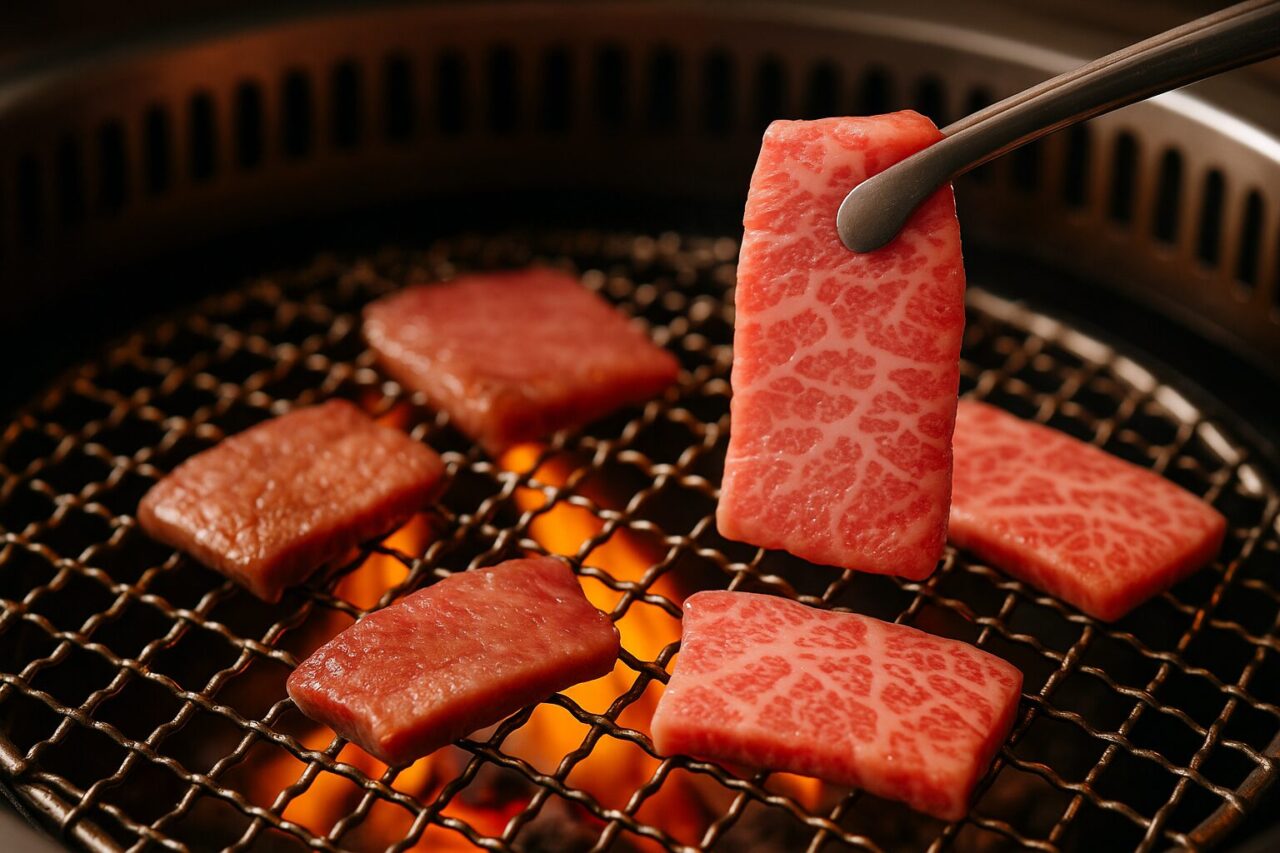
The appeal of yakiniku changes dramatically depending on which cut of meat you choose.
Even if the slices look similar, each cut offers a completely different texture, flavor, and level of marbling—and each one has its ideal way of grilling and seasoning.
In this guide, we organize the main beef, pork, and chicken cuts used in yakiniku and explain their characteristics and ideal seasonings in a clear and simple way.
Wagyu is extremely popular in Japanese BBQ, but it includes many different cuts as well.
In this article, we focus specifically on the individual cuts rather than Wagyu as a whole.
This is a practical guide designed to help you order confidently at any yakiniku restaurant.
Karubi is a classic yakiniku cut known for its rich marbling and natural sweetness. It offers a deep, beefy flavor and pairs exceptionally well with tare sauce, which brings out its smoky, caramelized aroma. It’s one of the most beginner-friendly cuts and a reliable choice for anyone trying Japanese BBQ for the first time.
Rōsu is a balanced cut with the right mix of lean meat and fat, making it tender and easy to eat. It has no strong odor and works well with both salt and tare sauce, making it a versatile choice. For first-time yakiniku diners, it’s one of the safest and most familiar cuts.
Gyutan is known for its crisp bite and clean, refreshing flavor. It’s commonly enjoyed with salt and a squeeze of lemon. Since it becomes tough when overcooked, grilling it lightly—often on just one side—is ideal.
Harami is technically an offal cut, but its texture is close to lean meat and extremely tender. It offers a deep, concentrated beef flavor, and grilling it with tare sauce enhances its aroma. It’s a very approachable cut that many people enjoy.
Red Meat Cuts(Akami-bui)
Rampu is a lean cut taken from the base of the hind leg. It is tender, moist, and free of any strong odor, making it very easy to eat. Its clean, refreshing flavor pairs well with salt or a touch of wasabi. A great choice for beginners who enjoy lighter, leaner cuts.
Ichibo is a lean cut with a modest amount of marbling that adds richness without being heavy. It is soft, aromatic, and works well with both salt and tare sauce. A popular option among red-meat lovers.
Shinshin comes from the center of the round and is known for its light, tender texture. It is often sliced thin and tastes best when lightly grilled. Wasabi soy sauce pairs especially well with its clean flavor.
Kurimi is a shoulder-area cut that balances tenderness with a deep beefy flavor. To maintain its soft texture, it’s best not to overcook it. Salt or wasabi enhances its natural richness.
Uwamisuji has fine marbling despite being a red-meat cut, giving it a fuller, richer flavor. It is tender and delicious with either salt or tare, making it a versatile and satisfying choice.
Sagari is located near the harami and contains less fat, making it light, tender, and easy to eat. It pairs especially well with fragrant tare sauce and is a favorite among fans of lean cuts.
Sāroin is known for its fine marbling, which creates a rich, sweet flavor. A simple sprinkle of salt enhances the natural fattiness and brings out its full aroma. It is one of the most satisfying cuts for those who enjoy well-marbled beef.
Riburōsu offers an ideal balance of fat and lean meat, giving it a melt-in-your-mouth texture. To fully enjoy its tenderness and juiciness, it’s best not to overcook it. A lightly grilled ribeye delivers exceptional depth of flavor.
Hire is one of the softest cuts of beef, known for its delicate and refined taste. Its light flavor pairs beautifully with salt or a touch of wasabi, allowing the natural quality of the meat to stand out.
Shatōburian is the premium center cut of the tenderloin, prized for its exceptional softness and subtle, elegant flavor. Even a small portion is deeply satisfying, and a light seasoning of salt is enough to enjoy its refined taste.
Shimachō is known for its rich, sweet fat that releases more flavor the longer you chew. When grilled with tare sauce, it becomes fragrant and caramelized, making it a favorite among horumon lovers.
Maruchō has a plump, bouncy texture and is filled with sweet, creamy fat. Grilling it over high heat gives the outside a crispy finish while keeping the inside juicy and flavorful.
Mino is prized for its crisp, crunchy texture and mild flavor. It has very little odor, making it approachable even for beginners. Salt or lemon enhances its clean, refreshing taste.
Hachinosu is a honeycomb-patterned stomach with a soft and mild flavor. A light grill is enough to bring out its natural umami, making it easy to enjoy.
Gaira has moderate fat and a firm, satisfying chew. When grilled until fragrant, its umami becomes more concentrated. It pairs especially well with tare sauce and is known for its robust flavor.
Rebā is rich in iron and has a distinctive flavor that some people love and others avoid. Because it becomes tough if overcooked, careful heat control is essential. It is commonly enjoyed with salt or a light tare sauce.
Hatsu has a clean, lean taste with a pleasant snap when bitten into. It has no strong odor and is easy to eat even for beginners. Salt or lemon brings out its crisp texture.
Teppō has a firm, springy texture and releases more umami as you chew. Grilling it well with tare sauce gives it a smoky, savory finish that makes it especially enjoyable.
Buta bara is a fatty and juicy cut that becomes wonderfully aromatic when grilled. Its rich flavor pairs especially well with tare sauce, making it a popular choice for those who enjoy bold, savory tastes.
Ton toro has a naturally sweet fat and a unique, slightly crispy texture. It tastes lighter and more refreshing when enjoyed with salt or a squeeze of lemon.
Rōsu is a well-balanced cut with just the right amount of lean meat and fat. It has a mild, clean flavor with no strong odor, making it easy for anyone to enjoy. Both salt and tare sauce complement it well.
Gatsu has a firm, satisfying chew and a mild, clean flavor with no strong odor. Seasoning it simply with salt enhances its distinctive texture, making it enjoyable even for first-time horumon eaters.
Shiro is soft and rich in sweet-tasting fat. It pairs extremely well with tare sauce, and grilling it thoroughly gives it a fragrant, slightly crispy finish.
Hatsu has a light, clean taste and a crisp bite. It is an easy-to-eat cut with very little odor, making it approachable for anyone. Salt is the most common and straightforward way to enjoy it.
Momo is a juicy cut with a rich, savory flavor. It pairs well with both salt and tare sauce, making it one of the most popular chicken options in yakiniku.
Mune has a light, clean taste and a soft, healthy profile. It is best enjoyed lightly seasoned with salt or a squeeze of lemon for a refreshing finish.
Tebasaki lets you enjoy the crispy, aromatic skin along with juicy, flavorful meat. Grilling it well with tare sauce enhances its deep, savory aroma.
Seseri is a springy, juicy cut with concentrated chicken flavor. Salt seasoning works especially well, highlighting its satisfying texture.
Chicken harami has a slightly firm, springy bite and a light flavor. Grilling it with salt brings out its clean, easy-to-eat profile.
Sunagimo is known for its crunchy, crisp texture. It’s commonly enjoyed with salt and a squeeze of lemon for a bright, refreshing taste.
Rebā has a rich, bold flavor that some people love and others avoid. It’s best enjoyed lightly grilled with salt, allowing its natural umami to come forward without overcooking.
Even when using the same type of meat, the flavor and texture of yakiniku change dramatically depending on the cut—and each one has its own ideal way of grilling and seasoning.
Understanding the characteristics of each cut will help you order more confidently at yakiniku restaurants and discover the flavors you enjoy most.
If any of these cuts caught your interest, try them on your next Japanese BBQ outing.