
Arima Onsen (Kobe) Travel Guide: Hot Springs, Things to Do & How to Get There
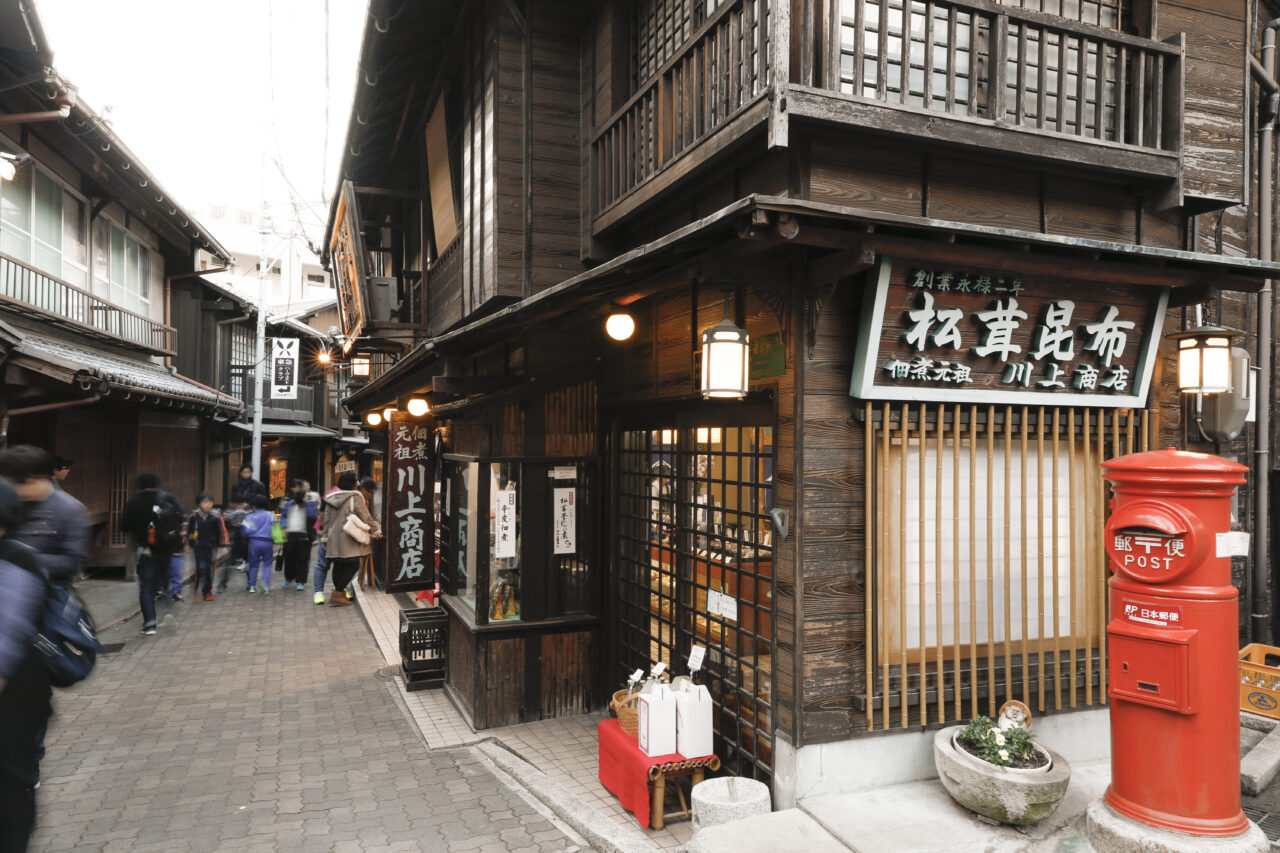
Arima Onsen is a hot-spring town with a history of about 1,400 years, celebrated as both one of “Japan’s Three Ancient Hot Springs” and “Japan’s Three Famous Hot Springs.” Since ancient times, many people—including historical figures such as Toyotomi Hideyoshi—have visited for therapeutic bathing (toji) and come to cherish the area. Another appeal of Arima Onsen is that even first-time visitors are less likely to feel lost when it comes to getting around, anticipating crowds, bathing etiquette, and planning what to see. That said, while it’s close to Kobe, the town’s hilly streets and distinctive spring waters mean that going without a plan can reduce how satisfying the visit feels. In this article, we’ll share how to make your trip work—whether you’re visiting for the day or staying overnight—and explain how to get around and explore once you arrive.
- Key takeaways in this article
- What Is Arima Onsen? Which prefecture is it in, and why is it famous?
- How Kinsen and Ginsen differ, and how to enjoy visiting spring sources
- Getting to Arima Onsen and how to walk around and sightsee
- How to choose between train, bus, and car to reach Arima Onsen
- In Arima Onsen, slopes take center stage—start from Yumotozaka
- Waterfalls, parks, and riverside nature spots around Arima Onsen
- Seasonal highlights in Arima Onsen: cherry blossoms and autumn leaves
- On rainy days or with kids, cultural facilities are also recommended
- Day trips, overnight plans, and how to choose a ryokan in Arima Onsen
- For a day trip to Arima Onsen, consider “Kin no Yu / Gin no Yu / Taiko no Yu”
- A 1-night, 2-day model plan is “public baths + your ryokan’s bath”
- Choose ryokan, hotels, and lodgings by “water type,” “meals,” and “walkability”
- Street food and souvenirs in Arima Onsen
- Experience options include geiko culture, crafts, and fishing
- Summary
- References
Key takeaways in this article
- What makes Arima Onsen special? We’ll break it down through three lenses: history, water types, and geography.
- We’ll explain how to choose your approach to access, reading crowd levels, and planning a walking route.
- We’ll also cover the differences between Kinsen and Ginsen, plus practical tips for day-use bathing and choosing a ryokan (a traditional Japanese inn).
What Is Arima Onsen? Which prefecture is it in, and why is it famous?
Which prefecture is Arima Onsen in?
Arima Onsen is in Hyogo Prefecture, spread across the Arima area of Kobe’s Kita Ward. Nestled in the Rokko mountain range, it’s a compact town that’s easy to explore on foot. Once you head into the center from the station or bus stops, you’ll encounter a series of stone-paved streets and slopes.Wear comfortable shoes for walking.
Why is Arima Onsen famous? The clue is in its two titles
When Arima Onsen is discussed, two labels always come up: “Japan’s Three Ancient Hot Springs” and “Japan’s Three Famous Hot Springs.”It’s a leading hot-spring destination in Japan that’s referenced under both categories. The names are easy to mix up, but “Three Ancient Hot Springs” refers to long-known springs, while “Three Famous Hot Springs” is a common nickname for representative “great baths.”
*You may also see the phrase “Japan’s three greatest hot springs,” but in practice it doesn’t have a single fixed definition.
Why do hot springs emerge in Arima even though there’s no volcano?
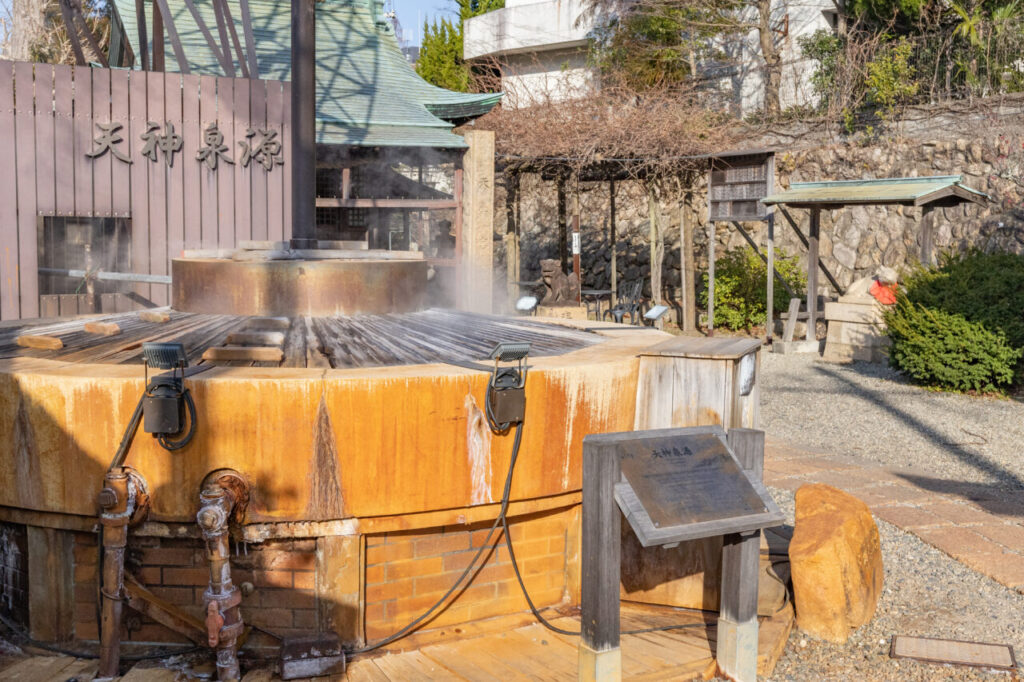
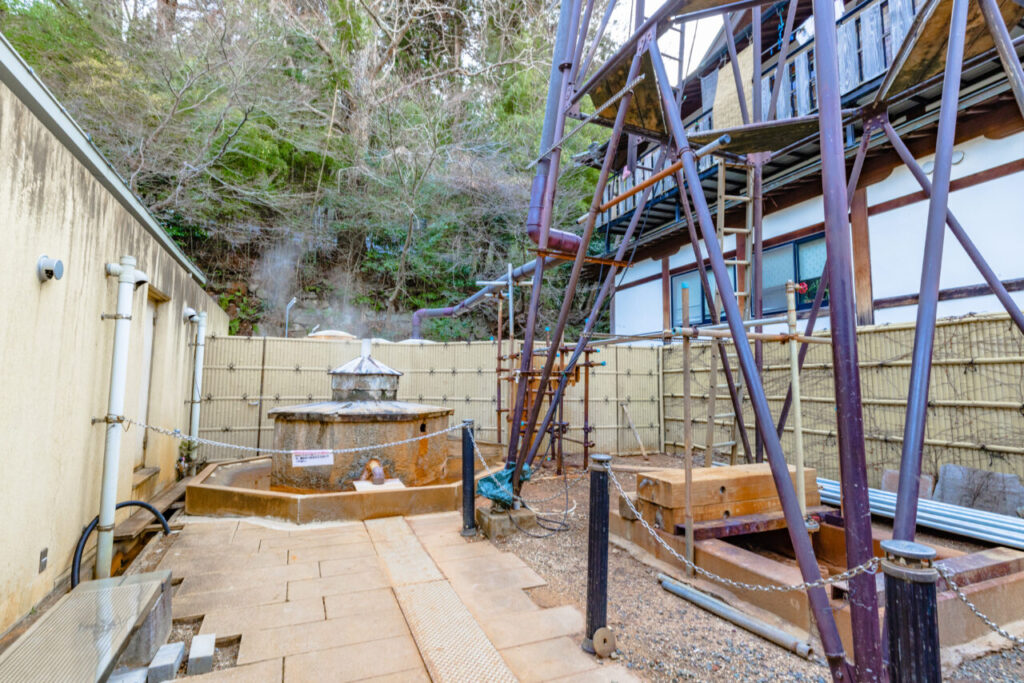
Arima Onsen is not a hot-spring area located around the crater of an active volcano.Even so, the fact that high-temperature water springs up here is often cited as a geoscientific feature.Research has suggested perspectives in which deep underground fluid circulation, among other factors, may be involved.On site, you can visit multiple spring sources (sengen, the points where water emerges), so consider stopping by.
Who is Arima Onsen recommended for?
Arima Onsen is a hot-spring destination that can suit a wide range of travelers.How you plan can change the experience, even in the same town.
- Domestic travelers: a short weekend stay, a trip with parents, or day-use bathing plus food strolling
- International visitors: easy access from stays in Kobe or Osaka, and bathing with confidence after learning onsen manners
- Overnight stays: making meals and baths at a ryokan the main focus, with sightseeing kept to a relaxed walking range
If you’re unsure, a good framework is “day trip: public baths plus a spring-source walk” and “overnight: your ryokan’s bath plus an evening stroll.”
How Kinsen and Ginsen differ, and how to enjoy visiting spring sources
Why is Arima’s Kinsen brown? What the town’s “signature bath” is
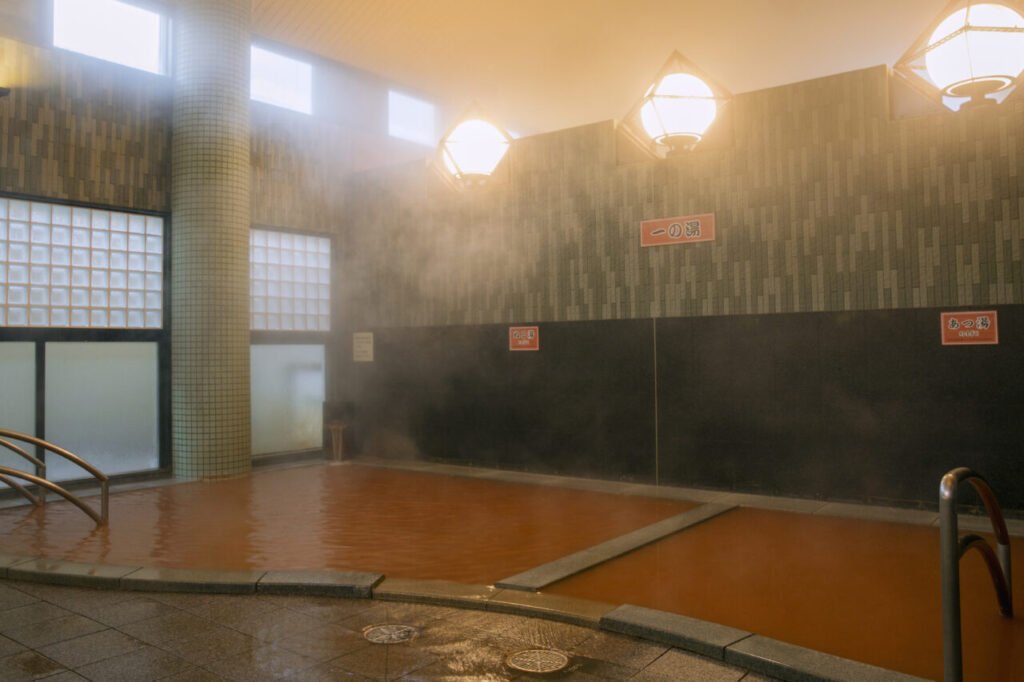
When people think of Arima Onsen, many picture Kinsen first.Kinsen is often described as rich in iron and salt, and it appears reddish-brown because it oxidizes when exposed to air.It’s often said to leave you feeling warm afterward, though perceptions vary from person to person.If you’re not feeling your best, don’t push yourself.
What is Arima’s Ginsen like?
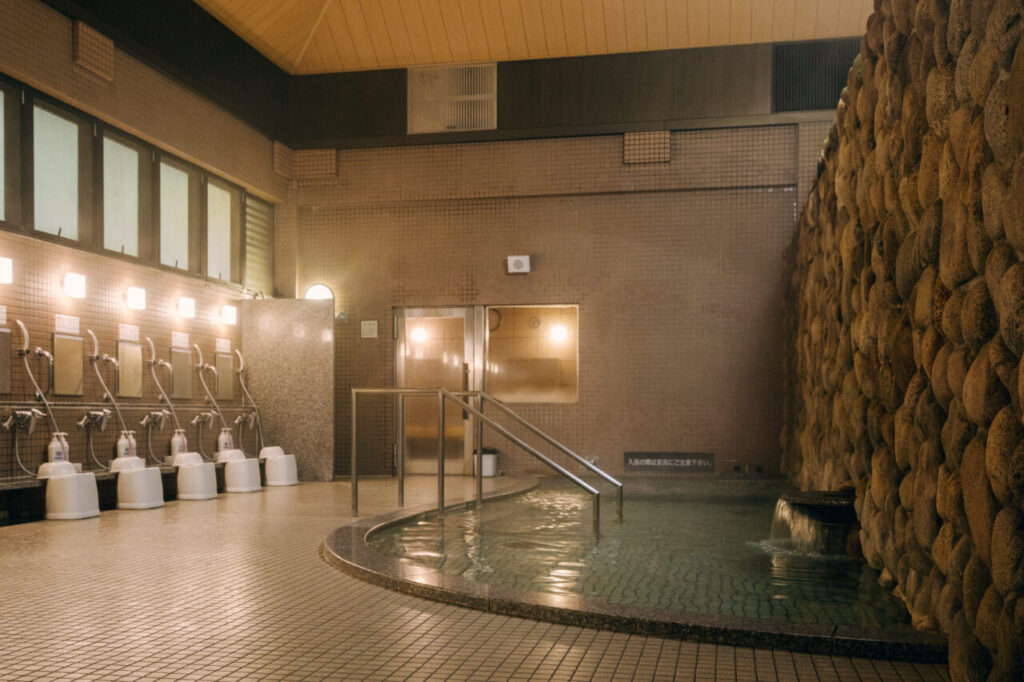
Ginsen is a clear, colorless water, known for types such as carbonated springs and radium springs.A commonly recommended order is “Ginsen right after arrival → Kinsen at the end.”Even in seasons when you don’t sweat much, some people find they flush more easily if they enter Kinsen first.The shorter your visit, the more this order tends to work well.
Spring-source spots in Arima Onsen
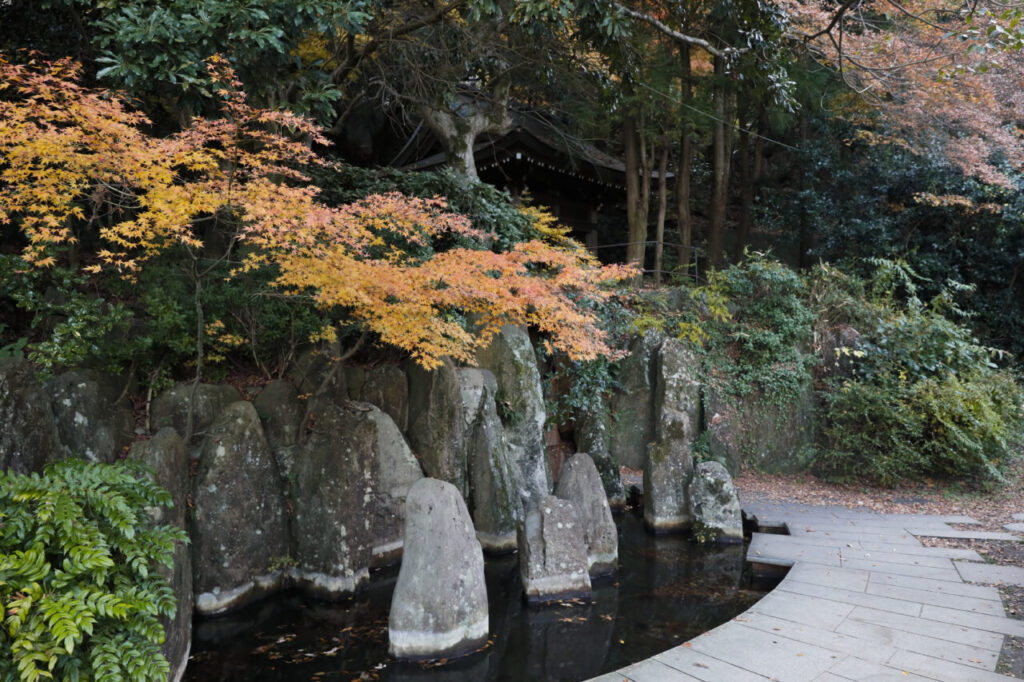
When sightseeing in Arima Onsen, visiting spring sources is a must.If it’s your first time, prioritize an order you can cover comfortably from the central area.
- Tenshin Spring Source: one of the easiest spring sources to stop by during a walk
- Gosho Spring Source and Uwashimizu Spring Source: enjoyable to visit alongside the stories associated with them
- Gokuraku Spring Source: you can see high-temperature water emerging, and it’s easy to photograph
- Carbonated Spring Source and Carbonated Spring Source Park: connect with Arima’s carbonated-spring culture through items like tansan senbei and cider
Bathing manners and what to know to help avoid “yu-atari”
For both international and domestic travelers, it’s reassuring to understand the basic onsen rules.Arima Onsen doesn’t have complicated rules—the basics are simple.
- Before entering the bath, rinse yourself to wash off sweat and dirt.
- Don’t put towels in the bath (leave them on the edge or place one on your head).
- Avoid soaking too long; start with short sessions and ease in.
After bathing, don’t neglect simple steps to help avoid yu-atari (feeling unwell from hot-spring bathing).Avoid bathing right after arriving when you’re overly full, hydrate first, and try not to cool down too suddenly after a soak.If you have a chronic condition or health concerns, consult a medical professional about whether bathing is appropriate, and check any posted notices at the facility.
Getting to Arima Onsen and how to walk around and sightsee
How to choose between train, bus, and car to reach Arima Onsen
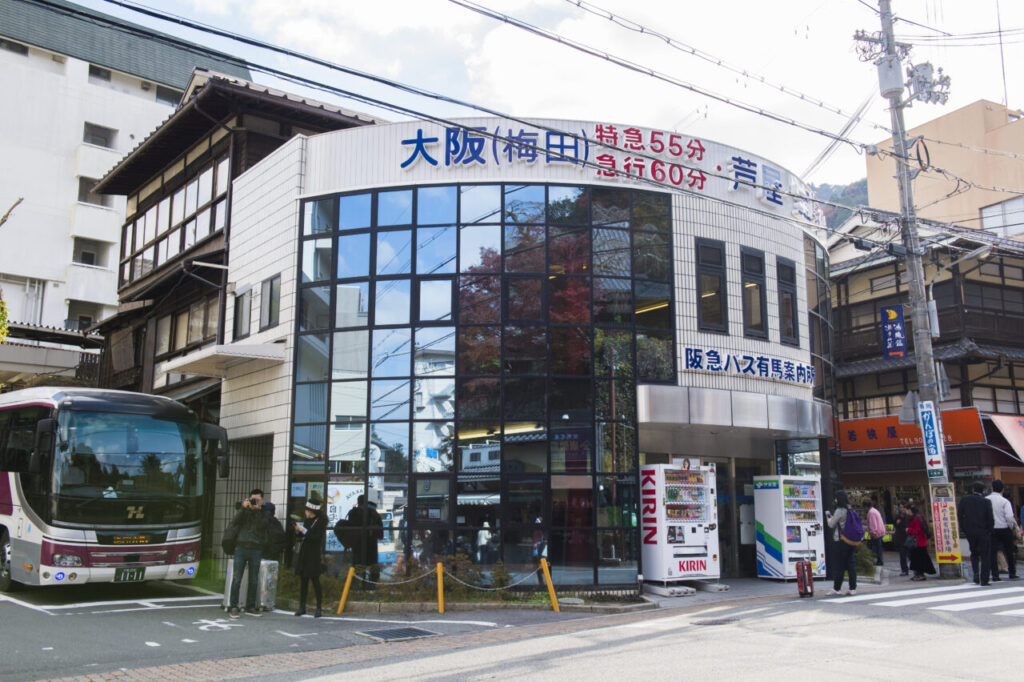
Arima Onsen’s strengths include its proximity to Kobe and Osaka and its convenient access.By train, Arimaonsen Station on the Kobe Electric Railway (Kobe Dentetsu) Arima Line is the main gateway.If you’re using the shinkansen, consider transfers from Shin-Kobe or taking a bus.
If you plan to use the bus, it’s reassuring to check in advance where to board and get off around the “Arima Onsen Bus Terminal.”Some services require reservations and have assigned seating, and during peak periods they can fill up easily.
In Arima Onsen, slopes take center stage—start from Yumotozaka
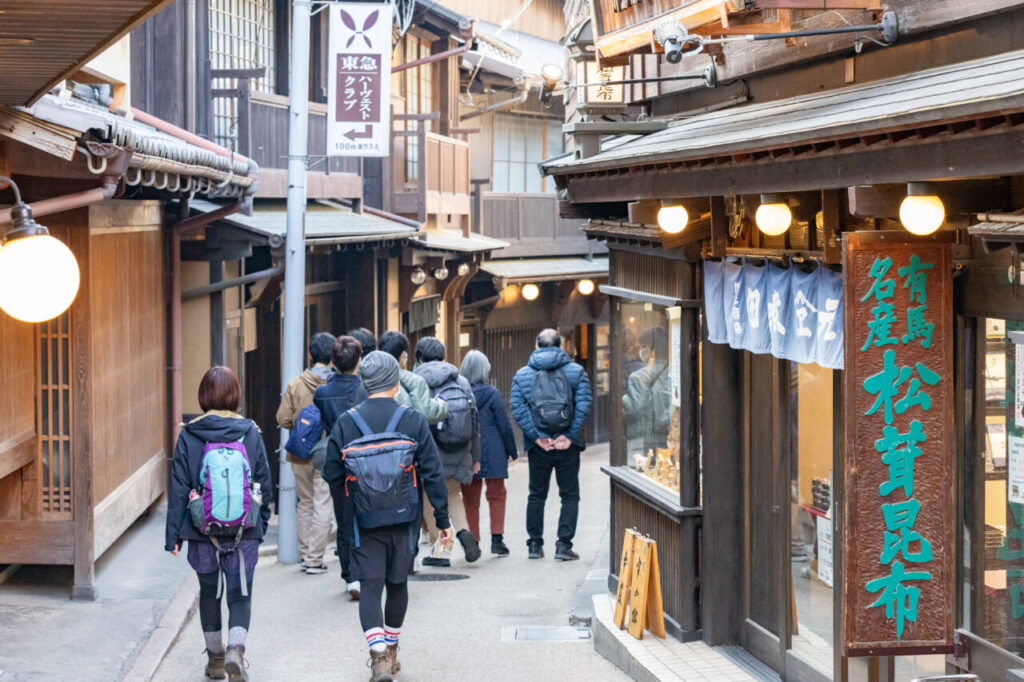
Arima’s streetscape combines the bustle of shopping streets with a succession of uphill and downhill paths.
A model walking course in Arima Onsen
- Nene Bridge and the Nene Statue
- Tamotoishi Rock
- Yukemuri Plaza (Taiko Statue)
- Zenpuku-ji Temple
- Kin no Yu
- Onsen-ji Temple
- Arima no Kobo (Arima Workshops)
- Nenbutsu-ji Temple
- Gokuraku-ji Temple
- Kobe City Taiko no Yudono-kan
- Gin no Yu
- Carbonated Spring Source (Tansan Sengen)
- Tenshin Spring Source (Tenshin Sengen)
- Kin no Yu Footbath
Plan around your schedule, stamina, and travel companions—and enjoy everything Arima Onsen has to offer.
Waterfalls, parks, and riverside nature spots around Arima Onsen
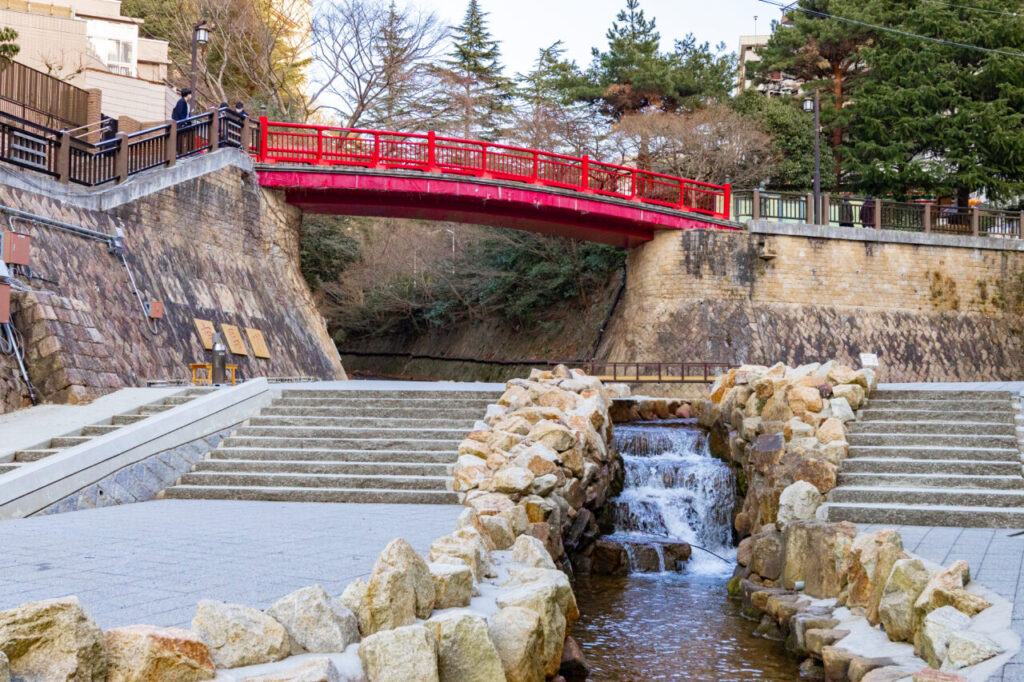
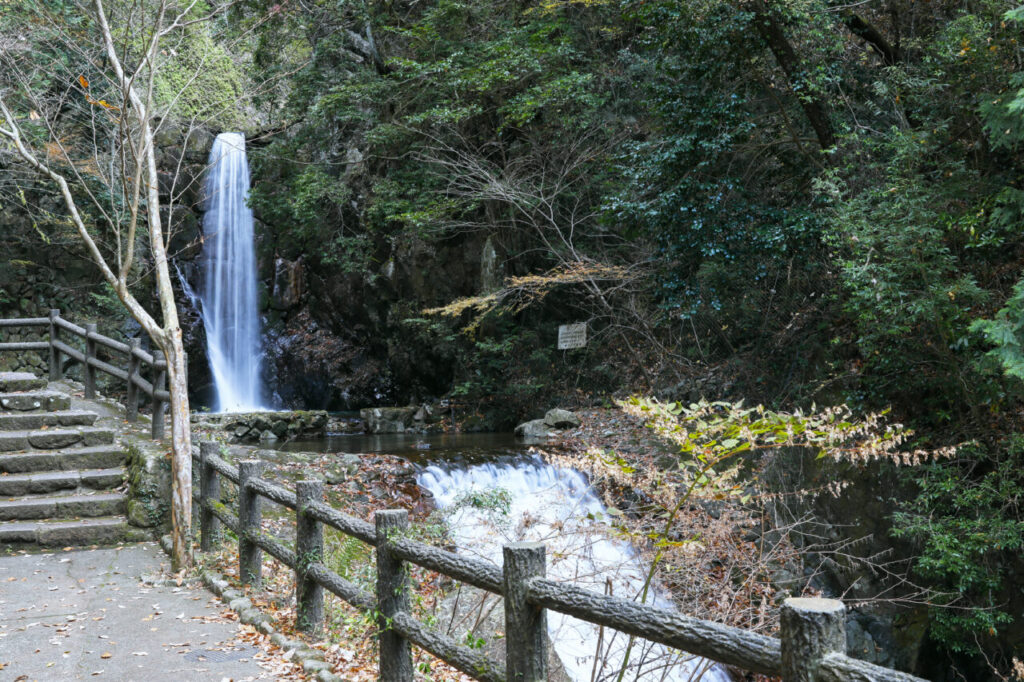
If you have extra time in your itinerary, visiting nature spots is recommended.The area around Tsuzumi-ga-taki has a calm atmosphere that feels different from the hot-spring town.Zuihoji Park is known for autumn foliage, and even a short visit can give you a sense of the season.At Arima River Shinsui Park, you can take a relaxed stroll along the clear-flowing Arima River.
Seasonal highlights in Arima Onsen: cherry blossoms and autumn leaves
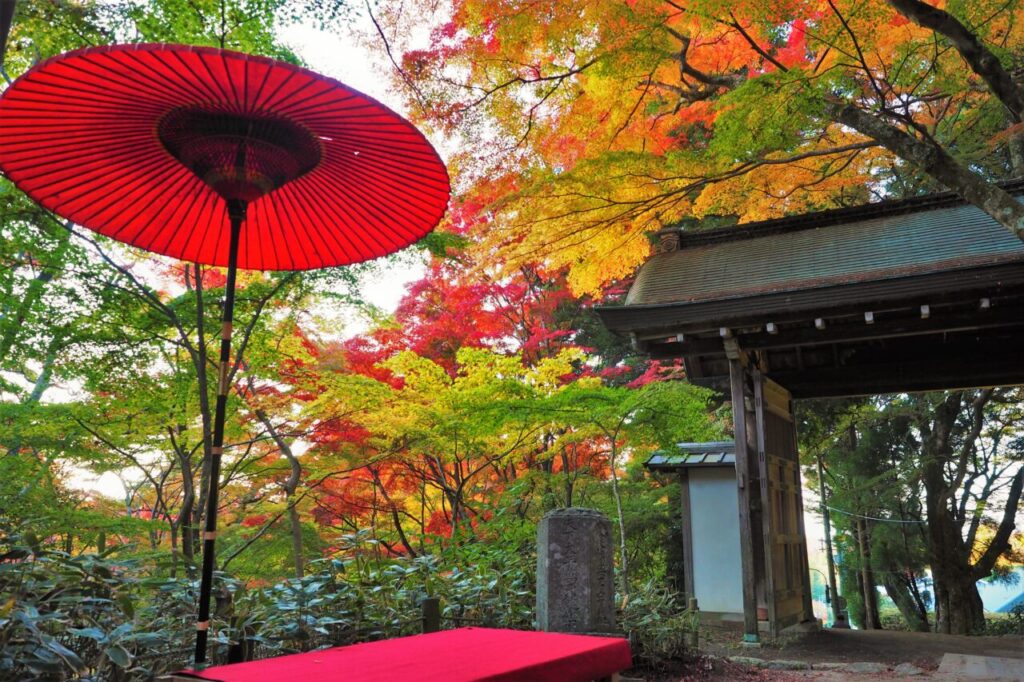
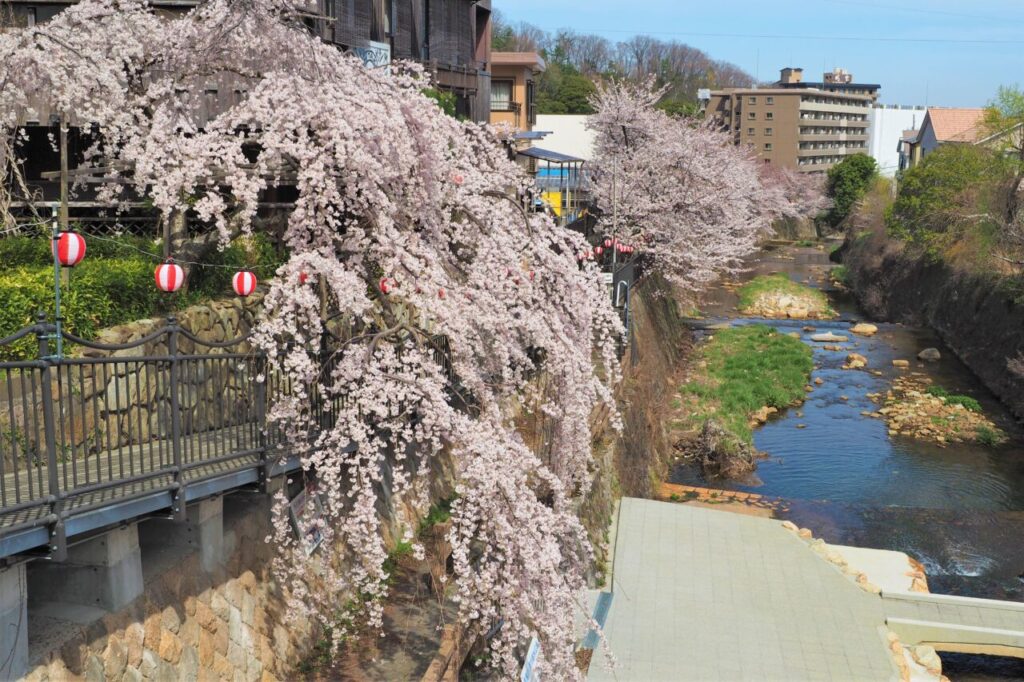
In spring, you won’t want to miss walks to see cherry blossoms along the Arima River and at temples and shrines.In autumn, Zuihoji Park’s foliage is especially popular.If you’re timing your trip around events, check the schedule for the Arima Great Tea Ceremony (Arima Daichakai).If you’re concerned about crowds, it’s a good idea to visit nature spots in the morning and head to public baths in the early afternoon.
[Arima Great Tea Ceremony: Overview]
Lord Hideyoshi Taiko often visited Arima Onsen and is said to have refreshed both body and mind here.
During his stays in Arima, he reportedly hosted tea gatherings with Sen no Rikyu and others, and sometimes invited locals to enjoy Arima’s refined culture.
参考:第75回 11月2日(土)、3日(日・文化の日)豊公を偲ぶ 有馬大茶会(表千家)開催
On rainy days or with kids, cultural facilities are also recommended
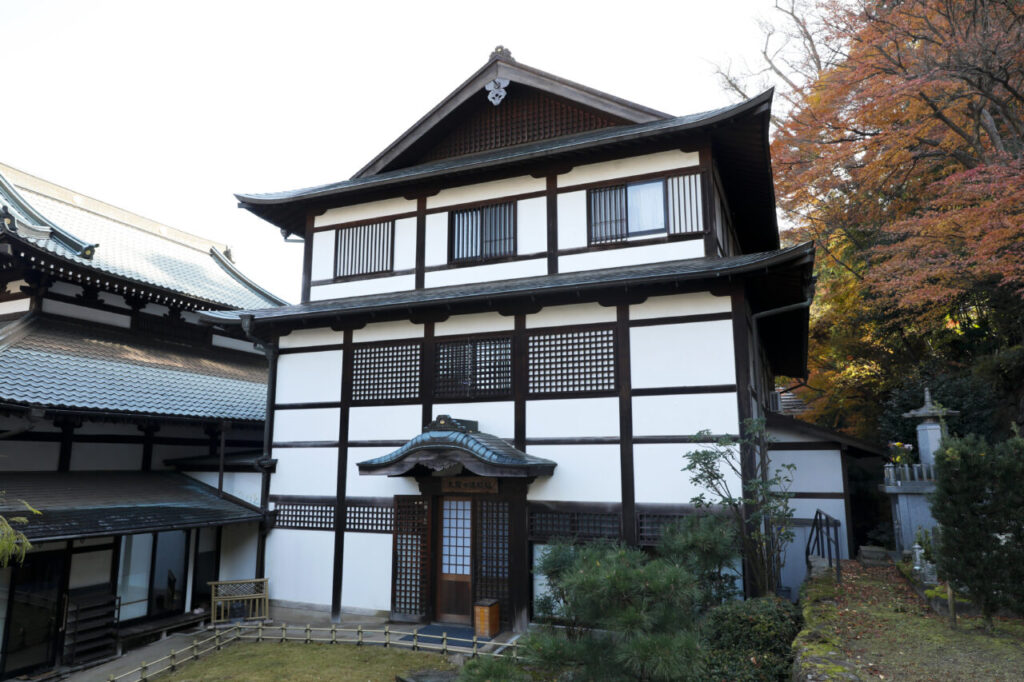
When the weather turns or you’re traveling with small children, indoor cultural facilities are a good option.Kobe City Taiko no Yudono-kan is a facility where you can engage with Arima’s history and culture through items such as bath-tub and garden remains believed to be part of the “Yuyama Palace” built by Hideyoshi, as well as roof tiles and tea utensils.The Arima Toys & Automata Museum offers experiences to “see, listen, play, and make,” and it gathers high-quality toys with rich creativity and strong design from Japan and abroad.The Stamp Museum is a permanent museum covering definitive stamps, commemorative stamps, and more, issued over roughly 140 years from the start of Japan’s postal system to the present.
Day trips, overnight plans, and how to choose a ryokan in Arima Onsen
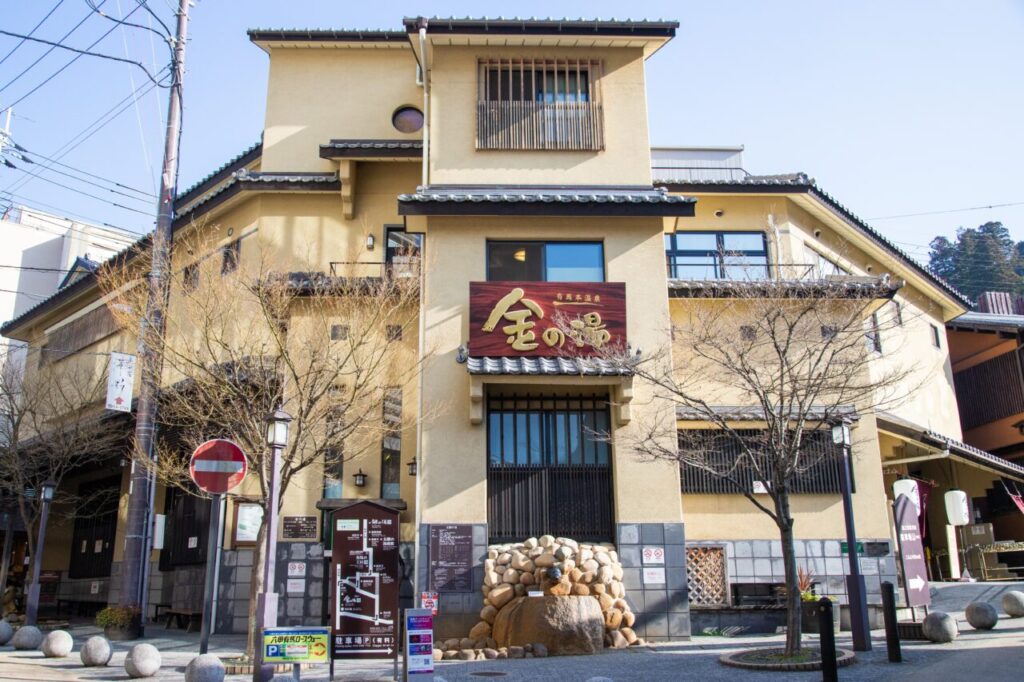
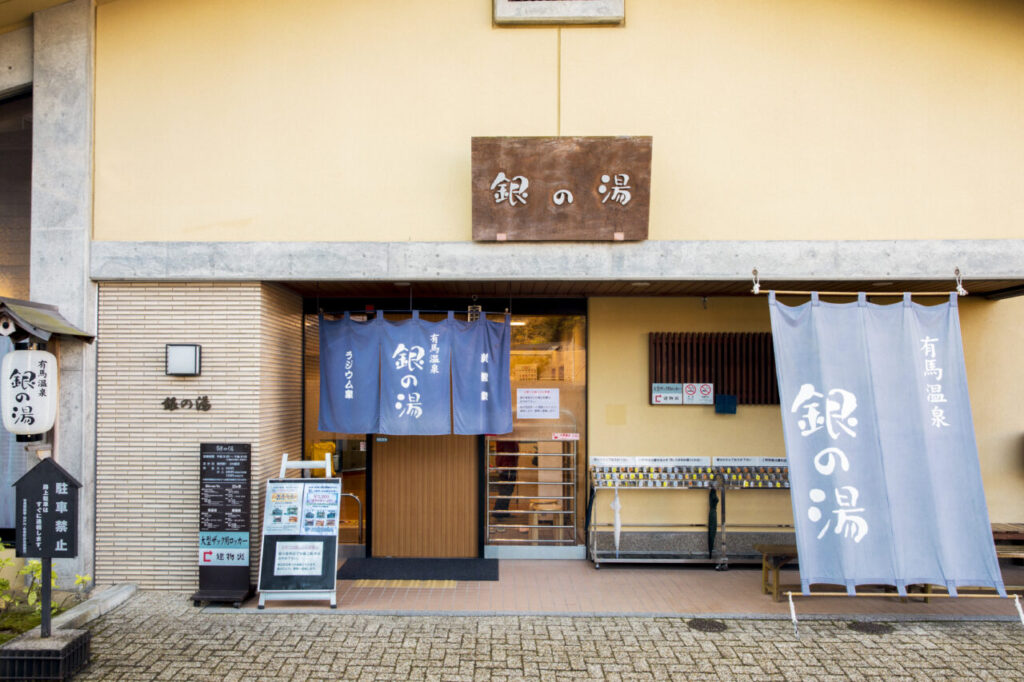
For a day trip to Arima Onsen, consider “Kin no Yu / Gin no Yu / Taiko no Yu”
Arima Onsen is a hot-spring destination where it’s easy to experience differences in water types even on a day trip.The main day-use options are Kin no Yu for Kinsen, Gin no Yu for Ginsen-type waters, and Taiko no Yu, a hot-spring theme-park style facility.To decide which to choose, use the following criteria as a guide.
| If you’re unsure: a quick guide | Best choice | How to move around on site |
|---|---|---|
| “I want to cover the classics first” | Kin no Yu | Yumotozaka → Kin no Yu → spring-source walk |
| “I want a refreshing soak and a walk, too” | Gin no Yu | Gin no Yu first → town stroll → take a break with sweets |
| “I want to spend a long time even if it rains” | Taiko no Yu | Stay within the facility → if you have extra time, head into town |
URL:有馬温泉を代表する日帰り温泉 | 金の湯 | 銀の湯
URL:有馬温泉 – 太閤の湯
A 1-night, 2-day model plan is “public baths + your ryokan’s bath”
If you’re staying overnight, it’s recommended to enjoy comparisons at public baths and use your ryokan’s bath as a place to unwind and reset.
- Day 1: arrival → a light bite on Yumotozaka → spring-source巡り → public bath → dinner
- Day 2: morning bath → Zuihoji Park and/or Tsuzumi-ga-taki → museum → souvenirs → return home
If you experience the differences between Kinsen and Ginsen at public baths first, your time in the ryokan’s onsen becomes more than “just soaking”—it can feel deeply savored.
Choose ryokan, hotels, and lodgings by “water type,” “meals,” and “walkability”
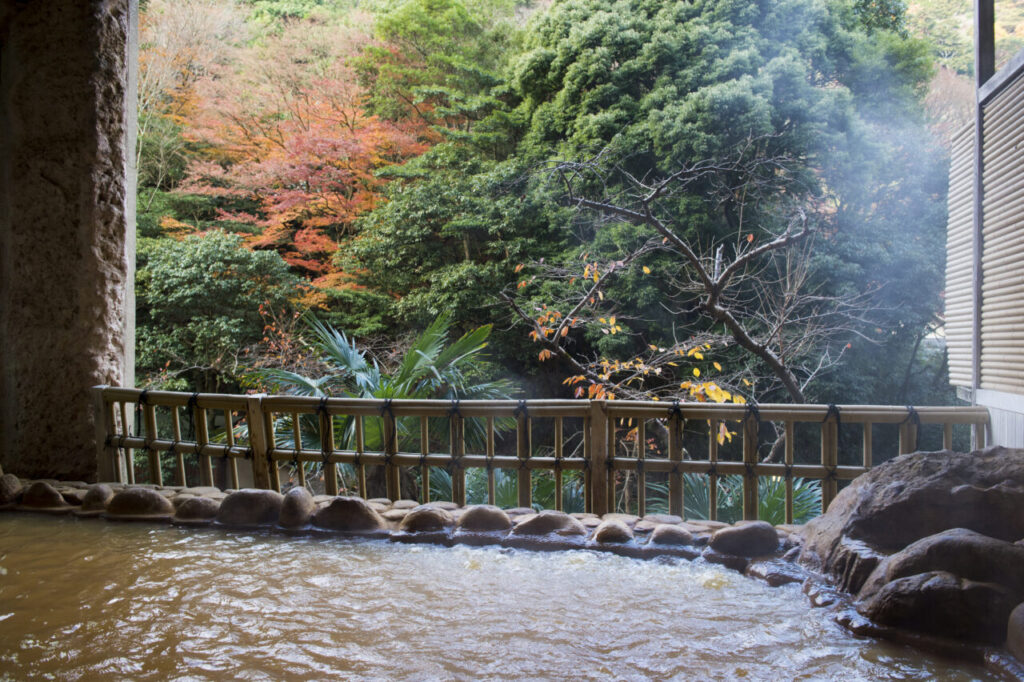
When choosing lodging in Arima Onsen, decide whether to prioritize “Kinsen” or “Ginsen,” and then narrow it down by budget and your goals (strolling the town, quiet relaxation, and so on).There are many lodgings that offer both, with hillside locations providing views and central locations offering convenience for walking.For stays, January–February and Tuesdays can be relatively good times to find lower prices.
Many booking sites publish rankings and recommendations, but the Arima Onsen Tourism Association’s official lodging list is also worth using as a reference.It’s efficient to filter by criteria such as whether Kinsen/Ginsen are available, in-room dining, or rooms with private open-air baths.Once you’ve narrowed it down, confirm details on each property’s official information.
Street food and souvenirs in Arima Onsen
Classic street-food picks include sake manju (steamed buns), “Yunohanado’s tansan senbei” humorously said to have a five-second shelf life, and “Arima Cider Teppo-sui,” sold at many shops.Popular souvenirs include the classic tansan senbei, “Kinsen-yaki” inspired by Kinsen, and the sweet “Oguri.”Traditional “Arima ningyo-fude” brushes and bath additives from “Yoshitakaya” are also well received.


Experience options include geiko culture, crafts, and fishing
In Arima Onsen, beyond traditional bathing, you can enjoy hands-on crafting experiences and other activities.Geiko cafés are introduced as places to experience Arima geiko culture, and events like the Arima Great Tea Ceremony become highlights during the autumn foliage season.In crafts, there’s handwork such as Arima baskets; learning the background before buying can deepen your appreciation.For families, the fishing experience at Arima Masu Ike is also recommended.


Summary
- Arima Onsen is a hot-spring town rich in history and onsen culture, known as both one of “Japan’s Three Ancient Hot Springs” and “Japan’s Three Famous Hot Springs.”
- Once you understand the differences between Kinsen and Ginsen, you can better enjoy comparing public baths and ryokan onsen experiences.
- For spring-source visits and town strolls, planning with the hills in mind makes it easier to avoid unnecessary fatigue.
- For both day trips and overnight stays, it’s reassuring to anticipate your access options and crowd peaks in advance, and to confirm the latest hours and conditions on each facility’s official information.
References
有馬温泉(有馬温泉観光協会)「有馬温泉について(泉質・見どころ・宿・体験の入口)」
有馬温泉(有馬温泉観光協会)「交通アクセス(大阪・兵庫など)」
有馬温泉 金の湯・銀の湯「日帰り温泉の総合案内」
神戸市「有馬温泉駅(再整備の案内)」
神戸大学(研究紹介)「有馬温泉の成因に関する研究情報」
有馬玩具博物館「公式サイト」
切手文化博物館「公式サイト」