History of Japanese Futon and Bedding Culture Explained
CoCoRo編集部
CoCoRo

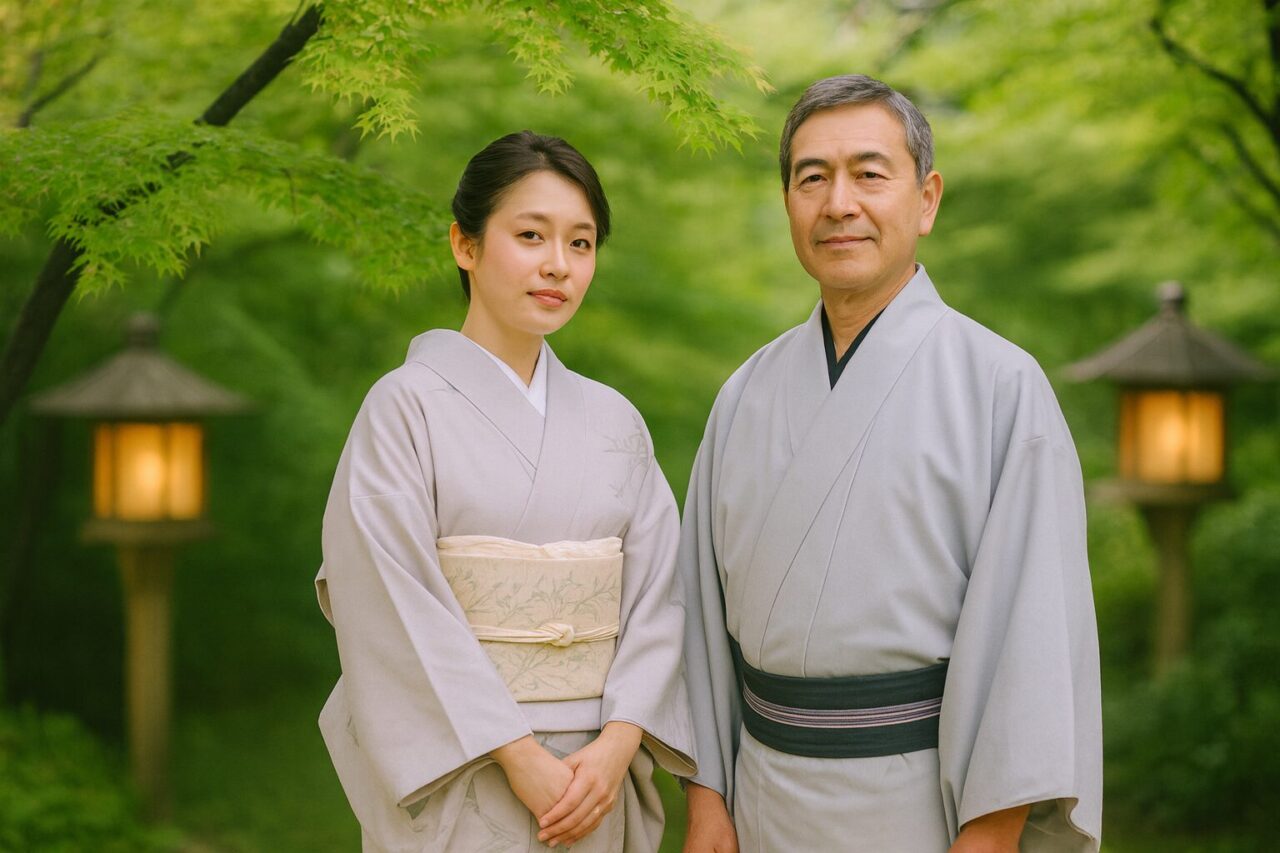
The kimono is widely recognized as a symbol of Japan, yet its essence goes far beyond a simple traditional garment.
Its structure, patterns, colors, the way it is worn, and even the movements it encourages—all carry cultural meaning shaped by centuries of Japanese aesthetics.
Today, kimonos appear not only at formal occasions such as coming-of-age ceremonies and weddings, but also in everyday scenes: young people renting kimonos at sightseeing spots and enjoying a casual stroll through town.
A kimono is both a “special outfit” and, increasingly, a cultural style that people can enjoy with ease.
Understanding the cultural background of the kimono also means understanding the values that shape Japanese life.
From its history and different types to the meanings of patterns and the role of the obi belt, each element reflects a unique worldview.
With just a little knowledge, the way you see a kimono changes completely, turning the experience into something deeper and far more meaningful.
One of the kimono’s defining features is its construction using straight-cut fabric panels, without shaping the cloth along curves.
This technique, preserved since the Heian period, allows the material to be used efficiently with minimal waste.
Because the garment is not tailored to fit a specific body shape, it can be worn beautifully by people of all sizes and proportions.
Western clothing is tailored to fit the contours of the body, but a kimono is not shaped around the body at all.
Instead, the silhouette is created using the obi and various ties, allowing anyone—regardless of height or body type—to achieve a beautiful, balanced form through proper dressing.
This reflects a distinctly Japanese aesthetic in which beauty emerges not from the body itself, but from the act of arranging and refining it.
The obi belt stabilizes the body’s center, naturally encouraging an upright posture.
With each step, the sleeves sway gently, giving the wearer’s movements a sense of rhythm and quiet elegance.
This is one of the reasons why the kimono is often described as a “moving work of art.”
The origins of the kimono can be traced back to the clothing system of the Nara period (710–794).
Influenced by styles from the Asian continent, it was common at the time to layer multiple garments.
In the Heian period (794–1185), the junihitoe—a formal court outfit—used carefully chosen color combinations to express the changing seasons, symbolizing both visual richness and a deeply cultivated sense of beauty.
With the rise of the samurai class, the kosode—a practical, easy-to-move-in garment—became widely adopted.
This style formed the foundation of the modern kimono, establishing key characteristics such as straight-cut panels, the use of an obi-style belt, and the left-over-right front closure.
The Edo period marked a major blossoming of kimono culture.
Advances in dyeing and weaving led to the development of techniques such as yuzen dyeing, shibori tie-dyeing, and intricate embroidery.
The meanings behind colors and patterns also became systematized during this era, influencing how people selected kimonos based on age, season, and social context.
Although Western clothing became widespread from the Meiji period onward, the kimono continued to survive as formal attire for important ceremonies and rituals.
Today, the kimono is enjoyed across a wide range of settings—from formal occasions to casual outings—and is being reappreciated not only as a traditional garment but also as a contemporary fashion choice.
The furisode is known as the most formal kimono for unmarried women.
It is commonly worn for Coming-of-Age Day ceremonies, and its long, flowing sleeves are a defining feature.
Bright, vibrant colors are often used, symbolizing youth, celebration, and the joy of special occasions.
The homongi is distinguished by its eba-moyō, a design in which patterns flow seamlessly from the hem to the shoulders.
Graceful and versatile, it can be worn by women of any age and is suitable for a wide range of formal events such as weddings, ceremonies, and receptions.
The kuro-tomesode is the highest-ranked formal kimono for married women and is traditionally worn by close relatives of the bride and groom at weddings.
Its patterns appear only along the hem, giving it an elegant and understated beauty.
The iro-tomesode, which comes in colors other than black, can be worn by both married and unmarried women and is suitable for a wide range of celebratory occasions.
Black tomesode commonly feature family crests (kamon), with five crests representing the highest level of formality.
These crests are not only symbols of family lineage but also serve to indicate the kimono’s ceremonial rank.
The komon is a casual kimono characterized by small, repeating patterns covering the entire fabric.
It is ideal for everyday outings, dining, or informal events, making it an easy and versatile choice for daily wear.
The yukata has long been loved as a lightweight summer kimono.
Today it is also enjoyed as a fashion item, worn not only to summer festivals and fireworks displays but also as a relaxed, easygoing way to experience kimono culture.
The fukuro obi is the most formal type of obi belt and is used for ceremonial occasions.
Its richly woven patterns and substantial structure create a sense of luxury, and depending on how it is tied, it can add remarkable elegance to the entire outfit.
The nagoya obi is designed for everyday wear and is lighter and easier to handle.
It pairs well with casual kimono and komon, making it one of the most commonly used obi belts in daily life.
The hanhaba obi is a casual, half-width obi often worn with yukata or komon.
Because it can be tied in a wide variety of styles, it is especially popular among younger wearers and those who enjoy playful, modern looks.
The obi serves as the central element that shapes the silhouette of the kimono, and the position and style of the knot have a major influence on the overall impression.
Even with the same kimono, changing the obi can completely transform the mood of the outfit, making it one of the most important factors in kimono coordination.
Patterns such as cherry blossoms and plum blossoms represent spring, while maple leaves symbolize autumn.
Choosing motifs that match the season reflects a distinctly Japanese perspective—one that values harmony with nature and its changing rhythms.
Motifs like shōchikubai (pine, bamboo, and plum), cranes and turtles, and folding fans are traditionally used for celebratory occasions. These patterns express wishes for longevity, happiness, and good fortune.
Young women often wear bright, vibrant colors, while more subdued tones are typically chosen in later stages of life.
This is not merely a social custom—it expresses a Japanese aesthetic that aligns one’s appearance with their life stage, emotions, and sense of maturity.
Nishijin-ori, a textile tradition representing Kyoto, is considered one of the finest weaving techniques for obi belts.
Its intricate patterns, woven with extraordinary precision, are often described as textile art rather than mere fabric.
Kyō-Yuzen is known for its vivid colors, gold embellishments, and decorative embroidery, while Kaga-Yuzen features realistic motifs and a more subdued, elegant tone.
Both techniques apply layered colors like a painting, enhancing the expressive beauty of the kimono.
Tsumugi, including the renowned Yuki-tsumugi, is cherished for its rustic, warm texture.
Light, durable, and comfortable for everyday wear, tsumugi kimono are appreciated for both practicality and understated charm.
Learning about these regional techniques reveals that even though we call them all “kimono,” each piece carries a unique story shaped by its local culture.
The more knowledge you gain, the more enjoyable it becomes to choose—and appreciate—different kimono styles.
Kimono rentals commonly seen in tourist areas are not a sign of disrespect toward tradition.
Rather, they serve as an inviting gateway for many young Japanese people and international visitors to experience kimono for the first time.
In recent years, people have begun choosing colors unconstrained by gender norms and mixing kimono with Western-style clothing.
This flexible, modern approach makes kimono feel more accessible and encourages personal expression beyond traditional rules.
Many Japanese people feel genuinely delighted when visitors from overseas show an interest in wearing kimono.
From the Japanese perspective, concerns about “cultural appropriation” are generally less intense—as long as the intention is not mockery, belittlement, or disrespect.
Those who take the time to learn basic etiquette or understand the meaning behind patterns and seasons are often welcomed even more warmly.
Having a bit of knowledge—such as the symbolism of motifs or seasonal colors—can enrich the experience and deepen one’s appreciation.
Knowledge is not meant to restrict behavior; it exists to make the experience more enjoyable.
You do not need to adhere strictly to every rule or formality. Feel free to enjoy kimono in the way that feels natural to you.
The obi stabilizes the waist and encourages a naturally upright posture.
When walking, the sleeves sway gently, turning even simple movements into something elegant and visually refined.
Because the wearer must pay attention to the sleeves and hem, every action naturally becomes slower and more deliberate.
This sense of “ma”—the intentional pause between movements—helps calm the mind and creates a manner of behavior that feels courteous toward others.
Understanding the symbolism behind kimono patterns allows the wearer to feel a deeper connection with nature through clothing.
This sensitivity to the seasons is one reason kimono has remained cherished in Japanese culture for centuries.
Kimono embodies Japan’s unique sense of nature, the changing seasons, and a deep appreciation for materials and craftsmanship.
History, techniques, patterns, colors, gestures—each element carries meaning, and the more you learn, the more captivating kimono becomes.
Today, while tradition is carefully preserved, new and more flexible ways of enjoying kimono continue to grow.
Kimono is no longer reserved only for special occasions; it has become something people can experience casually and naturally in everyday life.
Even a small amount of knowledge can broaden your perspective and change how you see the world around you.
Kimono is not merely a relic of the past—it is a “living culture” that continues to evolve and connect with our daily lives today.