What Is Nabe? Japanese Hot Pot Culture, Types, History, and Foreign Reactions
CoCoRo編集部
CoCoRo

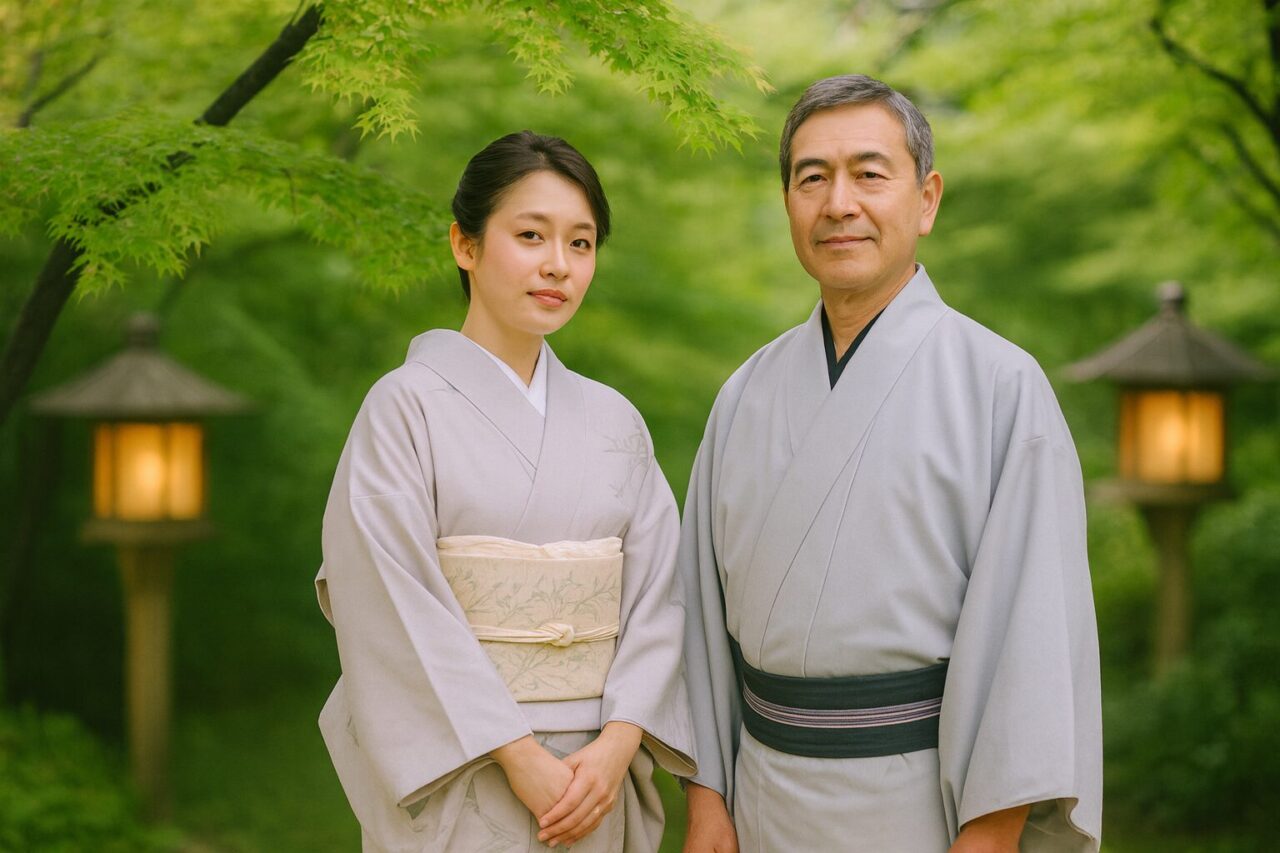
A kimono is traditional Japanese clothing with a T-shaped silhouette, straight-cut panels, long sleeves, and a sash called an obi.
But a kimono is not simply a “Japanese robe.” It is a garment shaped by Japanese ideas of season, ceremony, status, family, craftsmanship, and beauty. Its form may look simple at first, yet the way it is worn, the fabric, the pattern, the color, the sleeve length, and the occasion all carry meaning.
Today, kimono are no longer everyday clothing for most people in Japan. They are worn for weddings, coming-of-age ceremonies, tea ceremony, funerals, festivals, New Year visits, traditional arts, and special outings. Yukata, a lighter and more casual garment, is also widely worn at summer festivals, hot spring inns, and tourist areas.
This article explains what a kimono is, what the word means in Japanese, the history of kimono, the main types of kimono, the difference between kimono and yukata, how kimono are worn, what kimono patterns and colors mean, and whether foreigners can wear kimono respectfully in Japan.
A kimono is a traditional Japanese garment made from long, straight pieces of fabric. It is wrapped around the body, crossed left over right, and secured with an obi belt.
The word kimono is written in Japanese as 着物. It originally means “thing to wear” or “clothing.” Over time, especially after Western-style clothing became common in Japan, kimono came to refer more specifically to traditional Japanese clothing.
In English, kimono is sometimes described as a robe, but that translation can be misleading. A kimono is not casual loungewear. It has rules, layers, accessories, formal ranks, and seasonal conventions.
The word kimono comes from two elements: ki, meaning “to wear,” and mono, meaning “thing.”
So, at its most basic level, kimono means “a thing to wear.”
This simple meaning is important because kimono did not begin as a rare ceremonial costume. It was once ordinary clothing. People wore different forms of kimono in daily life, for work, for travel, for formal occasions, and for ceremonies.
The modern image of kimono as formal Japanese dress is partly the result of historical change. As Western clothing became the everyday standard, kimono gradually became associated with tradition, ceremony, and cultural identity.
One of the most important features of kimono is its straight-line construction.
Traditional kimono are made from rectangular pieces of fabric rather than curved pieces shaped closely to the body. The garment is adjusted when worn by folding, wrapping, and tying it in place.
This structure creates a distinctive appearance: a straight silhouette, long vertical lines, and a surface that displays fabric patterns beautifully.
The obi is also essential. It is not just a belt that holds the garment closed. It affects the balance of the whole outfit, the level of formality, and the visual impression from the back.
Sleeves, too, have meaning. Very long sleeves are associated with furisode, a formal kimono for unmarried young women. Shorter sleeves appear in many other types of kimono.
Kimono patterns often reflect the season. Cherry blossoms, plum blossoms, maple leaves, cranes, waves, fans, pine, bamboo, and other motifs can suggest time of year, good fortune, elegance, or formality.
Kimono are sometimes called “Japanese robes” in English because they wrap around the body.
However, robe is an incomplete translation.
A bathrobe, dressing gown, or casual robe is usually worn for comfort or relaxation. A kimono, depending on the type, can be highly formal and may require careful dressing, undergarments, an obi, cords, collars, footwear, and hairstyle.
It is better to think of kimono as traditional Japanese clothing with its own system of formality.
Calling it a robe may help someone picture the basic shape, but it does not fully explain its cultural role.
The history of kimono is long and complex.
Modern kimono did not appear all at once. They developed over centuries from earlier forms of Japanese clothing, court dress, undergarments, and everyday garments. The shape, use, and meaning of kimono changed as Japanese society changed.
The key point is this: kimono began as clothing, not as a museum object. Only later did it become strongly associated with formality, tradition, and national culture.
In the Nara and Heian periods, clothing among the aristocracy was strongly influenced by court culture.
Heian-period aristocratic dress is often remembered for layered garments, color combinations, and elegant seasonal expression. Clothing showed rank, taste, and refinement.
The famous junihitoe, or twelve-layered court robe, is not the same as the modern kimono. Still, it shows how Japanese clothing culture developed a strong sensitivity to color, season, layering, and symbolic appearance.
This sensitivity would later become important in kimono culture.
The kosode was originally a small-sleeved garment worn as an underlayer.
Over time, it became more visible and more important as outer clothing. During the medieval period, clothing became more practical, and the kosode gradually developed into the basis of what we now recognize as kimono.
This shift matters because it shows that kimono history is not only the history of aristocratic luxury. It is also the history of a practical garment that adapted to changing daily life.
The kimono’s straight-cut structure, wrap style, and fabric-centered beauty developed through this long process.
The Edo period was especially important for kimono culture.
As urban culture developed, kimono became a major form of fashion and self-expression. Townspeople, artisans, merchants, and performers used fabric, color, pattern, and styling to express taste and identity.
Techniques such as dyeing, weaving, embroidery, and resist-dyeing supported the richness of kimono design. At the same time, sumptuary rules sometimes restricted luxury, leading people to express refinement through subtle colors, hidden linings, small motifs, and sophisticated patterns.
In Edo-period kimono culture, beauty was not always loud. It could be restrained, seasonal, witty, or quietly luxurious.
This is one reason kimono remains closely connected with Japanese aesthetics.
During the Meiji period and after, Western-style clothing became increasingly common in Japan.
Military uniforms, school uniforms, business suits, dresses, and other Western garments gradually changed everyday dress. By the twentieth century, many people wore Western-style clothing in daily life, while kimono became more closely associated with formal occasions, traditional arts, and ceremonies.
This does not mean kimono disappeared. Instead, its role changed.
Today, kimono is often worn when people want to mark a special moment: a wedding, a graduation, a coming-of-age ceremony, a tea ceremony, a funeral, a festival, a New Year visit, or a cultural performance.
This connection between clothing and special time also relates to the Japanese idea of hare and ke, the distinction between special occasions and ordinary daily life.
There are many types of kimono, and each has its own level of formality.
For beginners, the names can be confusing. The important thing is to understand that kimono are not all the same. A kimono worn at a wedding is different from one worn for a casual outing. A kimono worn by a young unmarried woman may differ from one worn by a married woman. A yukata is different again.
Here are some of the main types people often search for.
Furisode is a formal kimono known for its long, flowing sleeves.
It is commonly worn by unmarried young women for major ceremonies, especially Coming of Age Day. Furisode are often colorful and decorative, with bold patterns that create a festive impression.
The long sleeves are the most recognizable feature. They make the garment feel youthful, elegant, and ceremonial.
For many people in Japan, wearing furisode is not simply dressing up. It marks a life stage.
Homongi is a type of kimono, not something separate from kimono.
The word homongi means “visiting wear.” It is a semi-formal kimono that can be worn for occasions such as weddings, formal visits, parties, tea gatherings, and ceremonies.
One feature of homongi is that the pattern often flows across the seams, creating a continuous design over the garment. This gives it a more formal and elegant appearance than many casual kimono.
So, if someone asks “homongi vs kimono,” the answer is: homongi is one category within kimono.
Tomesode is a highly formal kimono often associated with married women.
Kurotomesode, or black tomesode, is commonly worn by close female relatives at weddings. It is usually black with decorative patterns near the hem and may include family crests.
Irotomesode, or colored tomesode, is also formal and can be worn for ceremonial occasions.
Tomesode shows how kimono communicates formality, family position, and occasion through design.
Komon is a casual kimono with a repeated pattern across the fabric.
It is suitable for everyday outings, casual meals, shopping, theater visits, and informal gatherings. It is not appropriate for the most formal ceremonies, but it allows people to enjoy kimono in a more relaxed way.
For beginners, komon is one of the easier types to understand because it shows that kimono is not only ceremonial clothing.
Kimono can also be a way to enjoy personal style.
Men’s kimono are often simpler in color and pattern than women’s kimono.
Formal men’s outfits may include a haori jacket and hakama trousers. For weddings, ceremonies, and traditional arts, men may wear a more formal kimono set with family crests.
Casual men’s kimono are usually more subdued, with darker colors such as navy, gray, brown, or black.
The simplicity does not mean men’s kimono lack meaning. Rather, the elegance often lies in restraint, fabric quality, and proportion.
Kimono and yukata are often confused because both are traditional Japanese garments with a similar wrapped shape.
The easiest difference is this: yukata is a lighter, more casual garment, while kimono covers a wider range from casual to highly formal.
Yukata is often made of cotton or lightweight fabric and is commonly worn in summer, at festivals, fireworks events, and hot spring inns. Kimono may be made of silk or other fabrics and can be worn for much more formal occasions.
Many formal kimono are made of silk, though modern kimono can also use synthetic or washable fabrics.
Yukata is usually lighter and more breathable. It is strongly associated with summer.
This difference matters because kimono culture is seasonal. Fabric weight, lining, color, and pattern all change depending on the time of year.
Yukata feels open, relaxed, and summery. Formal kimono feels more structured and ceremonial.
Kimono can be worn for formal ceremonies, traditional arts, and special occasions.
Yukata is usually casual. It is common at summer festivals, fireworks displays, local events, and ryokan or hot spring inns.
Wearing yukata to a formal wedding would usually be inappropriate. Wearing a formal kimono to a summer festival might feel too serious unless the occasion calls for it.
The difference is not only appearance. It is about occasion.
Many visitors to Japan first experience traditional clothing through yukata.
Yukata is easier to wear, easier to rent, and more comfortable in warm weather. Tourist areas, festivals, and inns often provide opportunities to try it.
Formal kimono dressing usually takes more time and skill. It may involve more layers, careful tying, and professional assistance.
For this reason, yukata often becomes a gateway into kimono culture.
Kimono dressing is a skill.
Professional kimono dressers exist because formal kimono can be difficult to wear correctly. Even so, beginners can understand a few basic rules that explain why kimono looks the way it does.
The garment is not simply put on like a coat. It is wrapped, adjusted, folded, tied, and balanced.
One of the most important rules is that kimono is worn left side over right side.
The opposite, right over left, is traditionally used for dressing the deceased. For that reason, wearing a kimono right over left is considered inappropriate for the living.
This is a practical point tourists should know before wearing kimono or yukata.
If you remember only one dressing rule, remember this: left over right.
The obi holds the kimono in place, but it also shapes the entire outfit.
Different obi are used for different levels of formality. The way an obi is tied also changes the impression. A formal obi knot can look structured and ceremonial, while a casual knot can feel lighter and more relaxed.
From the back, the obi is often one of the most visually important parts of the outfit.
It turns the kimono from wrapped fabric into a complete form.
Kimono affects how a person stands, walks, and sits.
Because the garment is wrapped and tied, wide steps are difficult. Movements tend to become smaller and more controlled. The sleeves, hem, and obi all encourage a different kind of posture.
This is one reason wearing kimono can feel transformative.
It is not only a change of clothing. It changes the rhythm of the body.
Kimono patterns and colors are not random decoration.
They can express the season, the occasion, good fortune, age, elegance, restraint, or celebration. Of course, not every pattern has a single fixed meaning, and modern styling can be flexible. Still, many motifs have long-standing associations.
Understanding them helps explain why kimono is often described as wearable culture.
Seasonal motifs are central to kimono.
Cherry blossoms suggest spring, fleeting beauty, and celebration. Plum blossoms can suggest early spring, resilience, and refinement. Maple leaves are associated with autumn. Snow, waves, grasses, flowers, birds, and insects can also reflect the time of year.
In traditional kimono culture, wearing a motif slightly before the season is often considered elegant.
This sensitivity to timing is one reason kimono is deeply connected with Japanese seasonal aesthetics.
Many kimono motifs express good fortune.
Cranes can suggest longevity and happiness. Turtles are associated with long life. Pine, bamboo, and plum are auspicious plants. Fans can symbolize spreading good fortune. Waves and clouds can create a sense of movement and continuity.
These motifs are often used for weddings, celebrations, and formal occasions.
They make the garment more than beautiful. They allow the wearer to carry wishes and meanings in visible form.
Kimono color can suggest season, age, formality, and mood.
Bright colors may be used for youthful or festive occasions, while subdued colors can feel more mature or formal. Black can be highly formal in kurotomesode or mourning contexts, depending on the garment and design.
However, color meanings are not always simple. The type of kimono, pattern, obi, family crests, and occasion all affect interpretation.
It is better to understand kimono color as part of a full outfit system rather than as a single fixed code.
Many foreigners wonder whether it is acceptable to wear kimono in Japan.
In most ordinary situations, the answer is yes, if it is done respectfully. Many kimono rental shops, cultural workshops, tea ceremony experiences, and tourist areas welcome foreign visitors who want to wear kimono or yukata.
At the same time, kimono has cultural meaning. Wearing it carelessly, mocking it, sexualizing it, or treating it as a random costume can feel disrespectful.
Many Japanese people are happy when visitors show genuine interest in kimono.
Trying kimono through a rental shop, learning how it is worn, walking in a historical area, attending a tea ceremony, or asking about the meaning of patterns can be a form of cultural appreciation.
This is especially true when the wearer respects the garment and the setting.
Kimono is not a closed culture that outsiders can never touch. It is also a living culture that many people want to share.
Wearing kimono can become disrespectful when the garment is used without care.
Examples include wearing it incorrectly on purpose, using it as a joke, combining it with offensive stereotypes, treating it as exotic decoration, or ignoring the context of a formal or sacred place.
The problem is usually not “a foreigner wearing kimono.” The problem is whether the wearer treats the garment and the culture behind it with respect.
Learning even a few basics can make a big difference.
Kimono has sometimes become part of global debates about cultural appropriation.
These debates can be complicated because kimono is both a Japanese cultural garment and a form of fashion that has influenced designers around the world.
The respectful approach is to avoid turning kimono into a stereotype or using it in a way that erases its origin. If you wear kimono in Japan, choose an appropriate setting, follow basic dressing rules, and understand that the garment has history.
Appreciation begins with curiosity and respect.
Kimono culture continues to change.
Although most Japanese people do not wear kimono every day, kimono still appears in ceremonies, traditional arts, fashion, tourism, and new creative styles.
Modern kimono culture is not only about preserving the past. It is also about finding new ways to wear, reuse, and reinterpret traditional clothing.
Kimono rental shops are common in places such as Kyoto, Asakusa, Kamakura, and other historical or tourist areas.
These shops allow visitors to wear kimono or yukata for a few hours, take photos, walk through traditional streets, and experience the feeling of the garment.
For tourists, rentals make kimono more accessible. For local businesses, they also help keep dressing skills, accessories, and kimono knowledge visible.
Rental kimono is not the same as owning and maintaining formal kimono, but it can be an entry point into the culture.
Vintage kimono has also gained attention.
Because kimono fabric is often beautiful and durable, old kimono may be reused, resold, remade, or displayed. Some people wear vintage kimono as fashion. Others remake the fabric into bags, jackets, dresses, or interior items.
This reflects a modern interest in sustainability and reuse.
At the same time, remaking kimono can raise questions about how to respect the original garment. The best examples balance creativity with understanding.
Kimono still matters because it gathers many parts of Japanese culture into one form.
It contains textile craft, seasonal feeling, family ceremony, formal manners, body movement, pattern symbolism, and ideas of beauty.
For example, kimono is still worn for New Year visits and other special occasions. To understand the wider cultural feeling behind starting the year with special clothing, food, and visits, see Japanese New Year culture.
Kimono is not everyday clothing for most people anymore, but it remains one of the clearest ways Japan marks important moments.
A kimono is traditional Japanese clothing, but that definition is only the beginning.
The word kimono originally means “thing to wear.” Historically, it was part of ordinary clothing. Over time, as Western-style clothing became common, kimono became more strongly associated with tradition, ceremony, and cultural identity.
Its straight-cut construction, obi, sleeves, patterns, colors, and seasonal motifs all carry meaning. Different types of kimono, such as furisode, homongi, tomesode, komon, and yukata, are worn for different occasions.
Kimono is also a living culture. It appears in ceremonies, rentals, tourism, vintage fashion, traditional arts, and modern styling. Foreign visitors can wear kimono respectfully when they understand the basic rules and treat the garment as more than a costume.
In the end, kimono is not only something beautiful to look at.
It is a way of wearing season, occasion, craft, and memory.
A kimono is traditional Japanese clothing made from straight-cut fabric panels. It has a T-shaped silhouette, is wrapped left over right, and is secured with an obi belt. It can range from casual to highly formal depending on the type, fabric, pattern, and occasion.
Kimono means “thing to wear” in Japanese. The word comes from ki, meaning “to wear,” and mono, meaning “thing.” Today, it usually refers to traditional Japanese clothing.
Yukata is a lighter, more casual garment often worn in summer, at festivals, or at hot spring inns. Kimono is a broader category that includes casual, semi-formal, and formal garments. Formal kimono are often made of silk and worn for ceremonies.
Common types include furisode, homongi, tomesode, komon, and yukata. Furisode is formal and has long sleeves. Homongi is a semi-formal visiting kimono. Tomesode is formal, often worn by married women. Komon is casual. Yukata is lightweight and informal.
Kimono are worn for weddings, coming-of-age ceremonies, graduations, tea ceremony, funerals, festivals, traditional arts, New Year visits, and special outings. They are not everyday clothing for most Japanese people today.
Yes, foreigners can wear kimono in Japan if they do so respectfully. Kimono rental shops and cultural experiences often welcome visitors. It is important to follow basic dressing rules, avoid mocking the garment, and understand that kimono has cultural meaning.
Kimono is worn left side over right side. The reverse, right over left, is traditionally used for dressing the deceased, so it is inappropriate for ordinary wear. This rule also applies to yukata.
Yes. Kimono is still worn today, especially for formal ceremonies, traditional arts, festivals, tourism, and special occasions. It is less common as daily clothing, but it remains an important part of Japanese culture.