What Is Bento? Meaning, Origins, History, and Japanese Bento Culture
CoCoRo編集部
CoCoRo

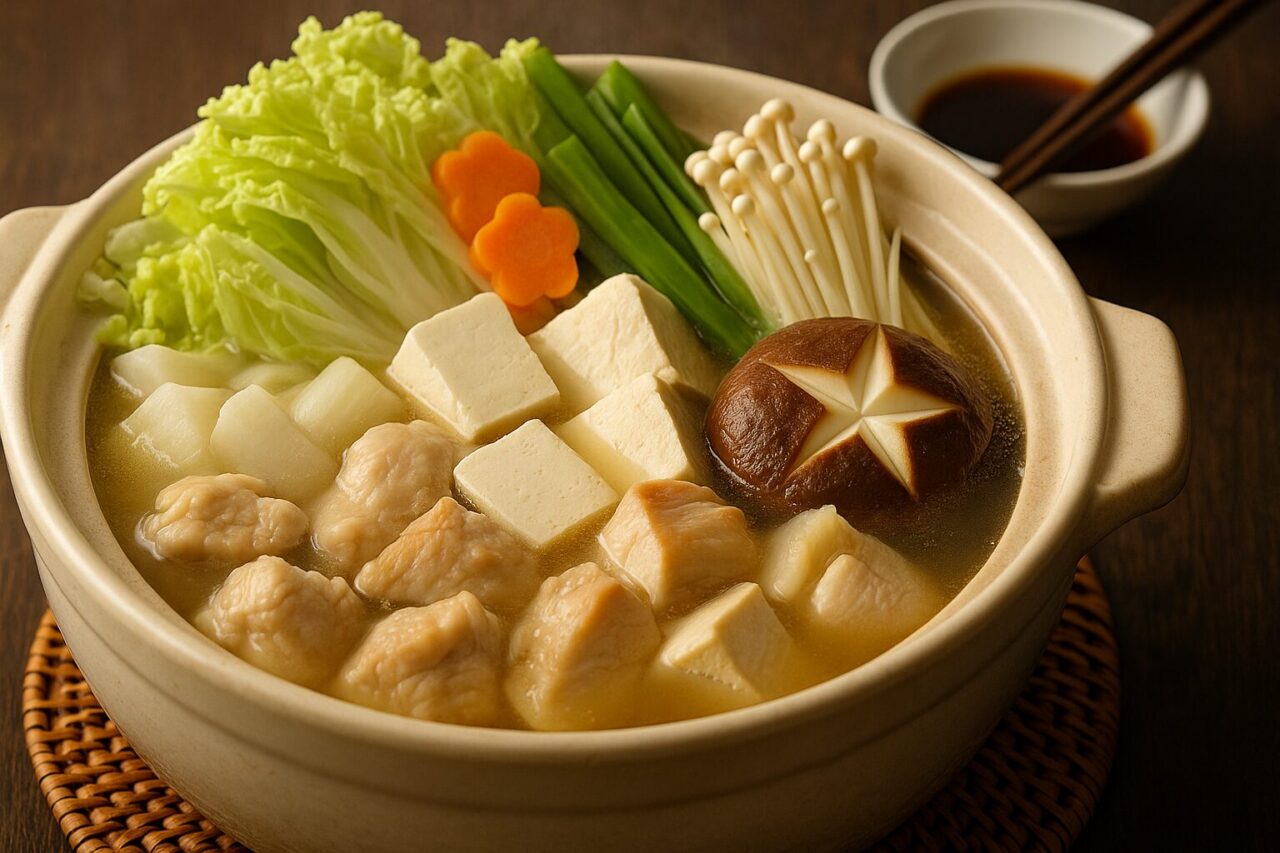
Japanese hot pot is not only a warm meal.
In Japan, nabe, or nabemono, often means placing a pot at the center of the table, heating it as people eat, adding ingredients, waiting together, sharing the broth, and finishing the meal with rice or noodles.
That shared style is one of the reasons foreign visitors find Japanese hot pot memorable.
At the same time, modern Japanese hot pot culture is no longer limited to a group sitting around one large pot. Single-serving donabe pots, solo hot pot, and individual portions have become familiar too. A person can make a small hot pot for themselves, or a family can sit at the same table while each person enjoys a different flavor.
In other words, Japanese nabe is both a culture of sharing and a culture of warmth that can fit modern individual lifestyles.
This article explains what Japanese hot pot is, the main types of nabe, its history, common ingredients, shime finishing culture, the difference between Japanese nabe and overseas hot pot, foreign reactions, and why one-person donabe and solo nabe are now part of the story.
Nabe means pot in Japanese, but in food culture it usually refers to hot pot-style dishes cooked and eaten around a pot.
In English, nabe is often explained as Japanese hot pot or nabemono. The important point is that nabe is not just one dish. It is a broad cooking and eating style.
Sukiyaki, shabu-shabu, yose-nabe, mizutaki, motsunabe, chanko nabe, yudofu, and even oden can all be discussed within the wider world of Japanese nabe.
They do not taste the same. They do not use the same ingredients. But they share the idea of cooking or serving food through a pot.
When Japanese people say “Let’s have nabe,” they are usually not talking about a single fixed recipe.
They are talking about a meal style.
A pot is placed at the center of the table. Ingredients are added. People wait for them to cook. Food is taken from the pot little by little. The meal continues while the broth changes.
This can be hard to understand from outside Japan because many countries treat hot pot as a specific dish or restaurant category.
In Japan, nabe is broader. It includes both cooking method and table culture.
Yes. Nabe is Japanese food.
Of course, some nabe dishes have been influenced by other cultures, and many modern variations exist. But Japanese nabe developed through dashi, seasonal ingredients, local flavors, table cooking, and the habit of sharing warmth in winter.
Japanese cuisine is not only about completed dishes served on individual plates.
It is also about drawing out flavor, using seasonal ingredients, creating balance through dashi, and building a meal around the atmosphere of the table.
Nabe shows these qualities clearly.
Hot pot exists in many countries.
Chinese and Southeast Asian hot pot styles may use spicy soup, oil, strong aromatics, and bold flavors. The table can be lively, energetic, and full of movement.
Japanese nabe is often quieter.
Many Japanese hot pots are built around dashi, seasonal vegetables, tofu, meat, seafood, and a slow change of flavor. Some are rich or strongly seasoned, but the broader culture often values balance, warmth, and the way the broth deepens during the meal.
Foreign visitors are often moved not only by the taste, but by the experience of sitting around the pot.
There are many types of Japanese hot pot.
Some use a rich sauce or seasoned broth. Others use a lighter dashi and let the ingredients speak. Some are strongly regional. Others are flexible home dishes.
Understanding the main types helps explain why “nabe” is a broad cultural category rather than one recipe.
Sukiyaki is made with thinly sliced beef, tofu, shirataki noodles, green onions, mushrooms, and leafy vegetables simmered in a sweet-salty sauce called warishita.
In Japan, sukiyaki often feels a little special. It is not simply an everyday soup. The use of beef, the sweet soy-based flavor, and the style of dipping the cooked ingredients in raw egg make it memorable.
For many foreign visitors, sukiyaki is easy to enjoy because the flavor is rich and understandable.
Shabu-shabu is a hot pot dish in which thinly sliced meat is briefly swished through hot water or light broth.
The meat is cooked just before eating, then dipped in sauces such as ponzu or sesame sauce.
Unlike a long-simmered stew, shabu-shabu is interactive. The eater participates in the cooking process.
This makes it one of the clearest examples of Japanese hot pot as an experience, not only a dish.
Yose-nabe means a hot pot where various ingredients are gathered together.
It may include seafood, chicken, pork, vegetables, mushrooms, tofu, and fish cakes. The exact ingredients depend on the household, the region, and what is available.
Yose-nabe shows the flexible side of Japanese hot pot culture.
It is not always about following a strict recipe. It is about gathering ingredients in one pot and letting the broth bring them together.
Mizutaki and yudofu show a quieter side of nabe.
Mizutaki is often associated with chicken and a clean broth, while yudofu centers on tofu warmed gently in kombu dashi.
These dishes may feel simple to people used to strong sauces or spicy soups.
But that simplicity is the point. The flavor is not meant to overwhelm. It is meant to let the ingredient, dashi, and temperature create a calm meal.
Motsunabe, especially associated with Fukuoka, uses beef or pork offal, cabbage, garlic chives, and a flavorful broth.
Chanko nabe is famous as a dish associated with sumo wrestlers. It is often rich in protein and vegetables, and it carries the image of food for building strength.
These hot pots show how nabe can reflect local identity and group life.
A pot can contain more than ingredients. It can contain a region, a profession, or a community.
Oden can be considered part of the wider nabe culture, but it is a little different from table-cooked hot pot.
In oden, ingredients such as daikon radish, eggs, konjac, and fish cakes are simmered in dashi ahead of time so the flavor enters them slowly.
Sukiyaki and shabu-shabu are more interactive at the table. Oden is more about long simmering and absorption.
Still, oden shares important qualities with nabe: dashi, winter warmth, regional variation, and the comfort of ingredients gathered in one pot.
For more on why oden surprises foreign visitors, see why oden moves foreign visitors.
The appeal of nabe is not only in the first bite.
It is in the process.
Ingredients are added, the broth changes, people eat at different moments, and the final shime turns the remaining soup into another dish.
Japanese hot pot is a meal that develops over time.
Common nabe ingredients include Chinese cabbage, green onions, mushrooms, tofu, leafy greens, chicken, pork, beef, seafood, fish cakes, and sometimes noodles.
The ingredients differ by type of nabe.
Sukiyaki uses beef and sweet soy-based seasoning. Shabu-shabu uses thin slices of meat. Yose-nabe can include almost anything suitable for simmering. Mizutaki focuses on chicken. Yudofu focuses on tofu.
Nabe is useful because many ingredients can belong in one meal.
This also makes it practical at home.
Nabe broth changes as the meal continues.
At first, the flavor may come mainly from kombu dashi, chicken broth, miso, soy sauce, or another base. As meat, fish, vegetables, mushrooms, and tofu cook, their flavors enter the broth.
The soup becomes deeper over time.
This is one of the pleasures of Japanese hot pot. It is not a completed dish placed in front of the diner. It is a dish that continues becoming itself at the table.
For more on how dashi creates this kind of umami base, see what dashi is and how it defines umami.
At the end of a nabe meal, Japanese people often add rice, udon, or ramen to the remaining broth.
This is called shime.
The broth at the end is not just leftover soup. It contains the flavor of everything cooked in the pot: vegetables, meat, seafood, mushrooms, tofu, and seasonings.
Adding rice or noodles lets people enjoy that concentrated flavor to the end.
For foreign visitors, this can be surprising. Just when the meal seems finished, another dish appears.
That is one reason Japanese hot pot feels like a full experience rather than a single course.
The history of nabe cannot be explained by one origin story.
People have cooked food in vessels with water and heat for a very long time. Over centuries, that basic act of simmering developed through dashi culture, ceramic pots, table cooking, and modern home life.
Modern Japanese nabe is the result of many layers of food history.
In the Japanese archipelago, people have used earthenware for cooking since ancient times.
Boiling and simmering made hard ingredients softer and allowed different foods to be eaten together. Fish, meat, plants, nuts, and other ingredients could be cooked in water and shared.
It would be too simple to call ancient simmered food modern nabe.
Still, the basic idea of cooking ingredients together in a vessel has deep roots.
Dashi helped make Japanese hot pot distinctive.
Kombu, bonito flakes, dried sardines, shiitake mushrooms, and other ingredients can create a broth that draws out flavor without covering everything in a heavy sauce.
This is why many Japanese nabe dishes feel gentle but satisfying.
The flavor is not only added from outside. It develops as ingredients and broth interact.
Donabe, Japanese earthenware pots, are important in nabe culture.
A donabe holds heat well, looks warm on the table, and gives the meal a seasonal feeling.
Tabletop stoves and portable gas burners also helped make home nabe easier. Instead of finishing the food in the kitchen and carrying it to the table, people could cook at the table itself.
This changed the meal.
The table became the cooking place, and the pot became the center of the room.
Nabe is strongly associated with winter.
The reason is simple: it warms the body.
Steam rises from the pot. People gather indoors. Winter vegetables such as Chinese cabbage, green onions, mushrooms, and leafy greens fit naturally. Seafood and rich broths also suit the season.
Nabe turns cold weather into a reason to gather.
That warmth is also connected to the broader idea of Japanese food as comfort food. For more on how Japanese food can provide calm and comfort, see why Japanese food is called comfort food.
Foreign visitors often react to Japanese hot pot not only as food, but as an experience.
They may enjoy the taste of sukiyaki, the tenderness of shabu-shabu, the umami of dashi, or the surprise of shime.
But what often stays in memory is the structure of the meal.
One pot sits at the center of the table.
People add ingredients, wait together, take food from the same source, and continue the meal at the same pace.
This creates a sense of closeness.
In some cultures, sharing from a central pot is familiar. In others, meals are more individual. For visitors not used to this style, the feeling of sharing one pot can be fresh and memorable.
Japanese hot pot changes as people eat.
At first, the broth may be clear and simple. As vegetables, meat, fish, tofu, and mushrooms cook, the flavor deepens.
This makes the meal feel alive.
The food is not only served. It develops in front of everyone.
Many visitors are surprised by shime.
After the main ingredients are eaten, rice or noodles are added to the remaining broth.
This final step feels practical and satisfying at the same time. Nothing important is wasted. The broth that gathered all the flavor becomes the last dish.
For some visitors, this is the moment when they understand the logic of the whole meal.
Many overseas hot pot meals are lively, spicy, and full of strong aromas.
Japanese nabe can be quieter.
There is steam, small conversation, the sound of simmering, and the slow rhythm of taking food from the pot.
This calmness can feel very Japanese to foreign visitors.
The experience is warm without being loud.
The Japanese expression “to gather around a nabe” means more than sitting near a pot.
It means sharing time, attention, temperature, and small decisions.
People watch the same pot. They wait for the same ingredients to cook. They decide together when to add the next item or when to make shime.
Eating from the same pot can make people feel closer.
Unlike a meal served as separate plates, nabe creates one center for the table.
Of course, modern hygiene awareness matters. Serving chopsticks and careful manners are important.
Even so, the act of gathering around one pot still has social meaning.
Nabe creates a shared field.
Nabe invites small conversation.
“Is it cooked yet?”
“Should we add more mushrooms?”
“Do you want rice or udon for shime?”
These are not deep conversations. But they soften the atmosphere.
The way small talk in restaurants and dining spaces creates comfort is also explored in the value of small talk in service spaces.
Nabe is a meal that makes conversation happen without forcing it.
Nabe involves many small acts of cooperation.
People watch the heat, avoid overfilling the pot, serve cooked ingredients, wait for others, and decide when to move to shime.
These actions may not be written as rules.
They happen through awareness of the room.
For foreign visitors, this can be fascinating. The meal seems to move smoothly because people adjust to one another.
Nabe often brings to mind family or friends gathered around one pot.
But in recent years, one-person donabe and solo nabe have become more familiar.
This does not mean nabe culture is disappearing. It means the culture is adapting to modern life.
A person living alone may cook a small hot pot just for themselves.
Someone returning home late may prepare one warm serving instead of reheating a large family meal.
Even in a family, people may eat at different times.
In these cases, nabe is not a group meal. It is a way to warm one person’s day.
The warmth, simplicity, and seasonal feeling remain.
One-person donabe is popular because it fits modern eating habits.
It lets people cook vegetables, meat, tofu, noodles, rice, or soup in a single vessel. It can go from stove to table. It reduces washing. It can be used for nabe-yaki udon, rice porridge, small hot pots, and even cooking rice.
A small clay pot also makes the meal feel more intentional.
It is not only a tool for people who live alone.
It is a tool for enjoying a warm meal at one’s own pace.
One-person pots are also useful for families.
One person may want spicy kimchi nabe. Another may prefer soy milk nabe. A child may want a milder broth. Someone may come home later than everyone else.
Small individual pots make this possible.
This is different from everyone sharing one large pot.
But it still keeps the idea of warm food at the center of the table.
The phrase solo nabe may sound lonely at first.
But modern solo nabe is not only about eating alone.
It is about choosing ingredients for your own condition, cooking at your own time, seasoning the broth the way you like, and finishing the meal with rice or noodles if you want.
It can be a form of self-care.
Japanese hot pot culture began strongly as a shared table culture, but today it also supports individual comfort.
Japanese hot pot is easy to enjoy once experienced, but it can be difficult to explain in words.
That is because nabe is not only a dish.
It includes eating style, atmosphere, dashi, seasonal memory, home cooking, and social rhythm.
Foreign visitors often encounter nabe in restaurants.
Restaurant nabe can be excellent, but for many Japanese people, the heart of nabe culture is at home.
A cold night. A pot on the table. Vegetables from the refrigerator. Family members adding ingredients. Rice or udon at the end.
Without experiencing home nabe, it can be hard to understand how wide and flexible the culture is.
Many Japanese hot pots assume dashi.
Dashi does not always announce itself loudly. It is subtle, savory, and often gentle.
People used to spicy or strongly seasoned hot pot may first feel that Japanese nabe is mild.
But as the meal continues, ingredients add flavor to the broth.
Once that change is understood, the appeal of Japanese nabe becomes easier to see.
To foreign visitors, sukiyaki, shabu-shabu, yose-nabe, and oden may look like very different dishes.
They are different.
But in Japanese, they can all belong to the broad world of nabe.
This is because Japanese food culture often sees not only flavor, but also form, method, and table setting.
Nabe is both a dish and a way of creating a meal.
Japanese hot pot culture cannot be explained through one recipe.
Sukiyaki, shabu-shabu, yose-nabe, mizutaki, motsunabe, chanko nabe, yudofu, and oden all belong to a wider culture of cooking and eating through a pot.
The appeal of nabe is not only flavor.
It is the table itself: adding ingredients, watching the broth change, waiting together, making shime, talking naturally, and feeling the season.
At the same time, modern nabe has expanded beyond the image of everyone sharing one pot.
One-person donabe and solo nabe show that hot pot can also support individual life. It can warm a family table, but it can also warm a single person’s evening.
That is why nabe remains alive.
It connects people when people gather.
And when people eat alone, it still offers warmth, rhythm, and care.
For foreign visitors, Japanese hot pot is memorable because it reveals something larger than food: dashi, donabe, shime, quiet conversation, seasonal feeling, and the way Japanese everyday life gathers around warmth.
Nabe is Japanese hot pot. It refers to dishes cooked or served in a pot, often at the table. Sukiyaki, shabu-shabu, yose-nabe, mizutaki, motsunabe, chanko nabe, and oden can all be discussed within Japanese nabe culture.
Yes. Nabe is Japanese food. It reflects dashi culture, seasonal ingredients, regional variation, table sharing, and the habit of eating warm food together in winter.
Common types include sukiyaki, shabu-shabu, yose-nabe, mizutaki, yudofu, motsunabe, chanko nabe, and oden. Each uses different ingredients and seasonings, but they share the idea of cooking or serving food through a pot.
Yes. Sukiyaki and shabu-shabu are both Japanese hot pot dishes. Sukiyaki uses a sweet-salty sauce, while shabu-shabu involves briefly swishing thin slices of meat in hot water or broth.
Oden can be considered part of the wider nabe culture, but it is different from table-cooked hot pot. Oden ingredients are usually simmered in dashi ahead of time so the flavor enters them slowly.
Shime is the final part of a nabe meal. Rice, udon, or ramen is added to the remaining broth so people can enjoy the flavor that has built up from the ingredients.
Yes. Solo nabe and one-person donabe are modern forms of Japanese hot pot culture. Nabe is often shared by groups, but it can also be enjoyed alone as a warm, flexible, and comforting meal.
Japanese nabe often emphasizes dashi, seasonal ingredients, gentle flavor, shime, and the experience of sharing time around the table. Some overseas hot pot styles are spicier, oilier, or more strongly seasoned.