What Is Omikuji? How to Read and Understand Japanese Fortune Slips
CoCoRo編集部
CoCoRo

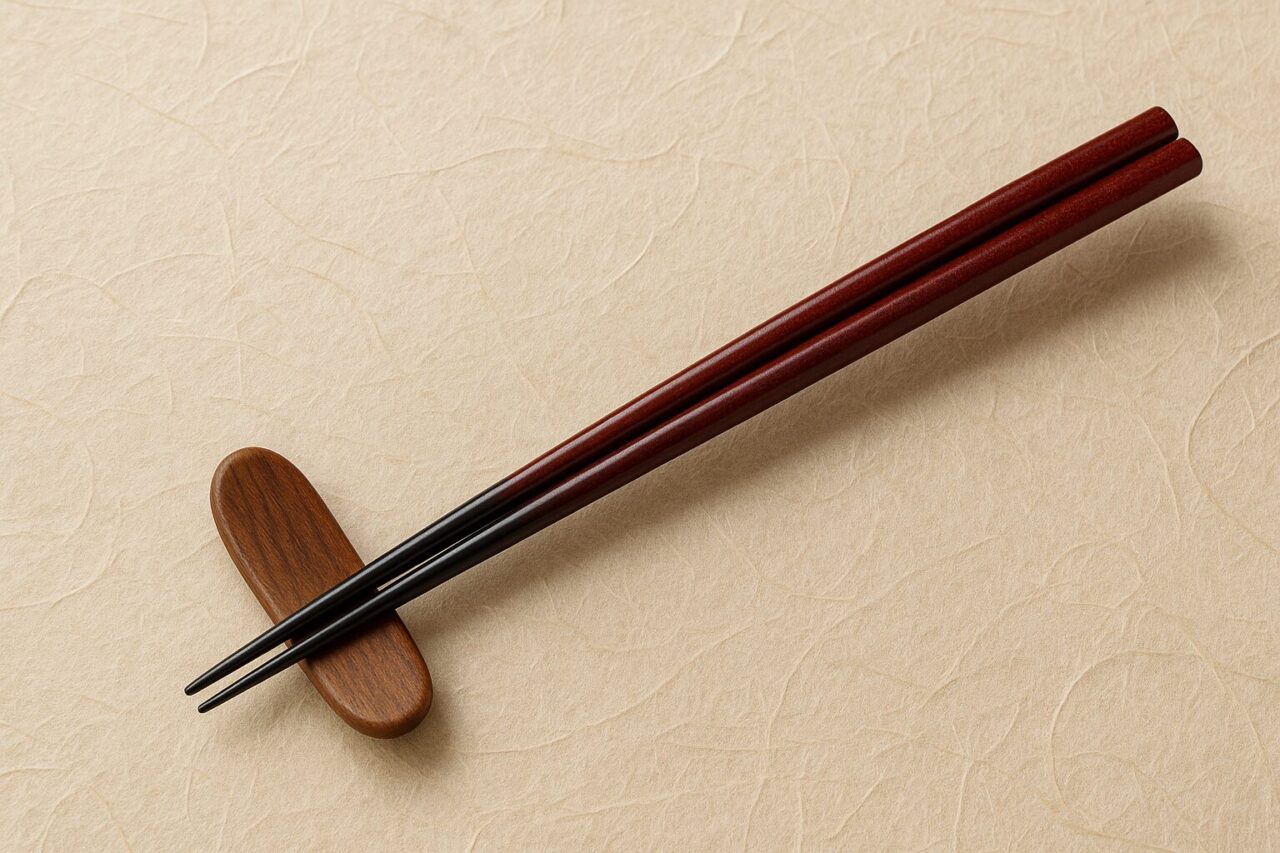
Chopsticks are one of the most familiar tools on a Japanese dining table, yet they often feel surprisingly complex to people encountering Japanese food culture for the first time.
At first glance, they are simply two slender sticks. But in Japan, chopsticks are connected to how people eat rice, fish, noodles, seasonal dishes, and even ceremonial meals. Their shape, materials, etiquette, and place in daily life all reveal something about Japanese food culture.
Chopsticks are not unique to Japan. China, Korea, Vietnam, and several other countries also have long chopstick traditions. What makes Japanese chopsticks distinctive is the way they developed alongside Japanese meals, table settings, and ideas of careful handling.
This article explains why Japanese chopsticks attract attention overseas, how foreign visitors often react to them, how they differ from Chinese and Korean chopsticks, and what their history and etiquette can tell us about Japan.
Japanese chopsticks often become memorable for foreign visitors because they are both practical and cultural. They are used in everyday meals, but they also appear in formal dining, seasonal celebrations, and beautifully arranged restaurant settings.
For many people outside chopstick-using cultures, the appeal is not only in learning how to hold them. It is also in watching how naturally they fit Japanese food.
One reason Japanese chopsticks stand out is the precision with which they are used.
Visitors may be surprised to see someone pick up small grains of rice, separate bones from grilled fish, lift noodles, or divide soft tofu without using a knife and fork. Japanese chopsticks are usually shorter than Chinese chopsticks and taper to a finer point, which makes delicate movements easier.
That fine tip is especially useful for foods often found in Japanese meals: rice, fish, pickles, simmered vegetables, sashimi, and small side dishes. The tool fits the food.
Japanese chopsticks are not only for picking things up. In daily use, they can also separate, hold, press, turn, and portion food.
A piece of grilled fish can be opened gently. A small bite of tamagoyaki, Japanese rolled omelet, can be lifted neatly. Noodles can be gathered without cutting them. These actions may look simple, but they show why chopsticks are so closely tied to Japanese dining.
For someone used to a fork, knife, and spoon, the idea that one pair of chopsticks can do so much can feel surprising.
Chopsticks are also popular as souvenirs because they are small, useful, and easy to connect with memories of Japan.
Lacquered chopsticks, bamboo chopsticks, carved wooden chopsticks, and regional designs all carry a sense of place. Chopstick rests, called hashioki, are often even more decorative. They may be shaped like seasonal flowers, animals, leaves, Mt. Fuji, vegetables, or small ceramic objects.
For travelers, a pair of chopsticks can be more than a kitchen tool. It can become a piece of Japan that is used at home.
Foreign reactions to Japanese chopsticks are not all the same. Some people see them as elegant. Some find them difficult. Others are surprised by how many rules and customs surround such a simple-looking object.
The most interesting reactions usually come from the gap between familiarity and depth. Many people know what chopsticks are, but not everyone realizes how much meaning they can carry in Japan.
A common reaction is that chopsticks feel challenging at first, but rewarding once they become easier to use.
Visitors may struggle with slippery noodles, small beans, or soft tofu. Children and adults alike often need practice. But because chopsticks are used so widely in Japanese restaurants, learning them can feel like a direct way to participate in the meal rather than observe it from the outside.
This is one reason chopsticks often become part of a travel memory. They are not just seen; they are tried.
Japanese chopstick use can look graceful because it often involves small, controlled movements.
In many Japanese meals, dishes are served in individual portions or small plates. People lift bowls, take modest bites, and handle food without large cutting motions at the table. When chopsticks are used smoothly, the movement can look quiet and precise.
This impression is not because Japanese dining is always formal. Everyday meals can be casual. Still, the way chopsticks guide the hand often gives the meal a calmer rhythm.
Chopsticks also help visitors understand washoku, traditional Japanese cuisine, in a more physical way.
Japanese meals often combine rice, soup, fish or meat, vegetables, pickles, and small side dishes. The diner moves between flavors rather than eating one large main dish from a single plate. Chopsticks make that movement feel natural.
For a deeper look at the sense of gratitude surrounding Japanese meals, the phrases itadakimasu and gochisousama show how language, food, and manners are closely connected.
Chopsticks are often associated with Japan, but they are not only Japanese. They are used across several parts of East and Southeast Asia, especially in countries with long histories of rice, noodles, shared dishes, and soup-based meals.
Each country developed its own shapes, materials, and table customs. This is why comparing chopsticks can reveal cultural differences as much as similarities.
China has one of the oldest chopstick traditions, and Chinese chopsticks are often longer and less sharply tapered than Japanese ones. They are well suited to shared dishes placed at the center of the table.
Korean chopsticks are often metal and are commonly used together with a spoon. The spoon plays an important role for rice and soup, while chopsticks are used for side dishes and other foods.
Vietnam also has a strong chopstick culture, especially with noodles, rice dishes, and shared meals. In each country, chopsticks reflect not just eating technique, but also table layout and food style.
Japanese chopsticks tend to be shorter, lighter, and more pointed at the tips. This shape fits many features of Japanese meals: individual servings, rice bowls, grilled fish, small side dishes, and bite-sized presentation.
Japan also has a rich culture around personal chopsticks. Many households have pairs used by specific family members. Decorative chopsticks, seasonal chopstick rests, and ceremonial chopsticks are also part of Japanese dining life.
In this sense, chopsticks are shared across Asia, but Japanese chopsticks have their own personality.
It is more accurate to say that chopsticks are a broader Asian eating culture, while Japanese chopsticks represent one distinctive branch of that culture.
The difference matters. Saying “Japan has chopsticks” is true, but incomplete. The more interesting question is how Japan shaped chopsticks to match its own meals, manners, materials, and sense of presentation.
The differences between Japanese, Chinese, and Korean chopsticks are easy to miss until they are placed side by side.
Length, material, weight, tip shape, and how they are used with other utensils all vary. These differences are not random. They reflect the way meals are served and eaten.
Japanese chopsticks are often made of wood or bamboo and usually taper to a fine point. They are typically shorter than Chinese chopsticks, especially when used for individual meals.
The pointed tips are useful for picking up small pieces of food, removing fish bones, and handling delicate ingredients. This is one reason Japanese chopsticks feel closely matched to grilled fish, sashimi, pickles, and small side dishes.
Chinese chopsticks are generally longer and may have blunter tips. Their length makes sense in a dining style where dishes are often shared from plates in the center of the table.
Because diners may reach farther across the table, longer chopsticks are practical. The shape reflects the meal.
Korean chopsticks are often made of metal, which gives them a different weight and feel from Japanese wooden chopsticks.
They are commonly used together with a spoon. Rice and soup are often eaten with the spoon, while chopsticks are used for side dishes, grilled foods, and other items. This paired use creates a dining style that differs from Japan, where chopsticks alone often play the central role.
Japanese people use chopsticks because they suit the structure of Japanese meals. The reason is not simply tradition. It is also practical.
Rice, fish, noodles, pickled vegetables, simmered dishes, and small side plates can all be handled effectively with chopsticks. Over time, the tool and the cuisine developed together.
In Japan, it is common to lift a rice bowl or soup bowl while eating. This brings the food closer to the mouth and makes chopsticks easier to use.
When rice is slightly sticky, as Japanese rice usually is, chopsticks can lift it neatly. Holding the bowl also reduces the need for long reaching movements. The posture of the meal and the tool work together.
Japanese cuisine includes many foods that are easy to handle with chopsticks once the technique is learned.
Rice clings together. Fish can be separated into small bites. Noodles can be lifted and gathered. Small side dishes can be eaten one piece at a time. Even soft foods such as tofu can be handled with care.
To see how one ingredient can shape Japanese food culture more broadly, dashi, a Japanese soup stock rich in umami, shows how a quiet foundation can influence countless dishes.
The relationship between chopsticks and Japanese cuisine is mutual. Chopsticks changed how food could be served and eaten, while Japanese food encouraged chopsticks to become lighter, finer, and more precise.
This is why chopsticks feel so natural in a Japanese meal. They are not an accessory added later. They are part of the dining system.
The history of chopsticks reaches back to ancient China, where they are thought to have developed before spreading to neighboring regions. Japan later adopted and adapted chopsticks in its own way.
The details vary by period and region, but the broad pattern is clear: chopsticks entered Japan through continental influence, then gradually became part of daily and ceremonial life.
Chopsticks are widely understood to have originated in ancient China. Their earliest uses may have been connected to cooking, serving, or ritual before becoming everyday eating utensils.
As cultural exchange spread across East Asia, chopsticks traveled with foodways, religious practices, court culture, and daily customs.
In Japan, chopsticks are believed to have been used first in ritual or elite settings before becoming common in everyday meals.
Over time, they became part of court life, religious ceremonies, household meals, and eventually the ordinary dining table. Their use expanded along with changes in food, tableware, and social customs.
The long refinement of Japanese cuisine can also be seen in formal dining traditions such as kaiseki, one of Japan’s most carefully composed meal styles.
Japanese chopsticks are not only practical tools. They also appear in ceremonial contexts.
Special chopsticks may be used for New Year meals, weddings, first-meal ceremonies for children, and other occasions. Some are made of willow or other symbolic materials. Some are rounded at both ends, reflecting a ritual idea of sharing the meal with deities.
These customs show that chopsticks can carry meaning beyond everyday use.
Japanese chopstick etiquette can be one of the most surprising parts of the culture for foreign visitors.
Some rules are practical. Others are connected to funeral customs, ideas of cleanliness, or respect for the meal. The important thing is not to fear every mistake, but to understand the most sensitive actions.
Passing food directly from one pair of chopsticks to another is considered inappropriate in Japan.
The reason is serious: a similar action is associated with funeral rituals involving bones after cremation. Because of this connection, the gesture can feel uncomfortable at the dining table.
If you want to share food, place it on a small plate instead of passing it chopstick to chopstick.
Sticking chopsticks upright into a bowl of rice is also avoided.
This image is associated with offerings for the dead, so it carries a meaning that does not fit an ordinary meal. When chopsticks are not being used, they should be placed on a chopstick rest or laid neatly across a holder or wrapper.
Other manners are less solemn but still important.
Pointing at someone with chopsticks can feel rude. Spearing food with them may look careless. Hovering over dishes while deciding what to take can seem indecisive. Pulling a dish closer with chopsticks is also discouraged.
These rules all share a similar idea: chopsticks should be handled calmly and respectfully.
Japanese chopsticks vary more than many visitors expect. Their length, material, finish, color, and design can all change depending on region, purpose, and occasion.
This variety makes chopsticks a small but expressive part of Japanese craft culture.
Chopstick length may differ depending on who uses them and what they are used for. Men’s chopsticks are often longer than women’s chopsticks, and children’s chopsticks are shorter.
Regional preferences also exist, although they are not always strict. Some styles favor a lighter, more delicate feel, while others emphasize durability or decorative finish.
Japanese chopsticks may be made from bamboo, cedar, cypress, chestnut, ebony, plastic, or lacquered wood.
Bamboo is light and practical. Cedar can have a soft fragrance and texture. Lacquered chopsticks can be smooth, durable, and decorative. Some are designed for daily use, while others are made for gifts or special occasions.
Materials shape not only appearance, but also grip, weight, and the feeling of eating.
Hashioki, or chopstick rests, help keep chopsticks off the table and add visual balance to the meal.
They may be simple or playful, seasonal or formal. A small ceramic rest shaped like a leaf, flower, fish, or festival motif can quietly change the mood of the table.
This attention to small details is one reason Japanese dining can feel carefully arranged even when the meal itself is simple.
Japanese chopsticks are small tools, but they open a surprisingly wide window into Japanese culture.
They show how food, utensils, etiquette, craft, and seasonal presentation can develop together. They also explain why foreign visitors often see chopsticks as more than a practical object. Chopsticks are learned through the hand, but understood through the meal.
They are not unique to Japan, and it is important to remember their broader Asian context. But Japanese chopsticks have their own character: shorter, lighter, finely pointed, often personal, and closely connected to rice, fish, bowls, and careful table manners.
For visitors, learning to use chopsticks is often one of the simplest ways to feel closer to Japanese dining. For Japanese culture, chopsticks remain one of the quietest and most familiar symbols of the table.
No. Chopsticks are used in several countries, including China, Korea, Vietnam, and Japan. Each country has its own chopstick shapes, materials, and dining customs.
Japanese chopsticks usually taper to a fine point because they are useful for handling small, delicate foods such as rice, fish, pickles, and side dishes. The pointed tips also help with separating fish and picking up bite-sized pieces.
Chopsticks suit Japanese meals very well. They work with rice, fish, noodles, soup accompaniments, vegetables, tofu, and small side dishes. They also fit the custom of holding bowls while eating.
Chopsticks are commonly used in Japan, China, Korea, Vietnam, and some other regions influenced by East and Southeast Asian food cultures. The style of chopsticks differs by country.
Yes, it is considered inappropriate. The gesture resembles a funeral-related custom, so food should be shared by placing it on a plate instead.
Sticking chopsticks upright in rice is avoided because it resembles a ritual offering connected with death. When not using chopsticks, place them on a chopstick rest or lay them neatly beside the dish.
They are practical, beautiful, easy to take home, and closely connected to Japanese dining. Many visitors enjoy learning how to use them and choosing chopsticks or chopstick rests as souvenirs.