Glamping in Japan: What to Expect and Is It Worth It?
CoCoRo編集部
CoCoRo

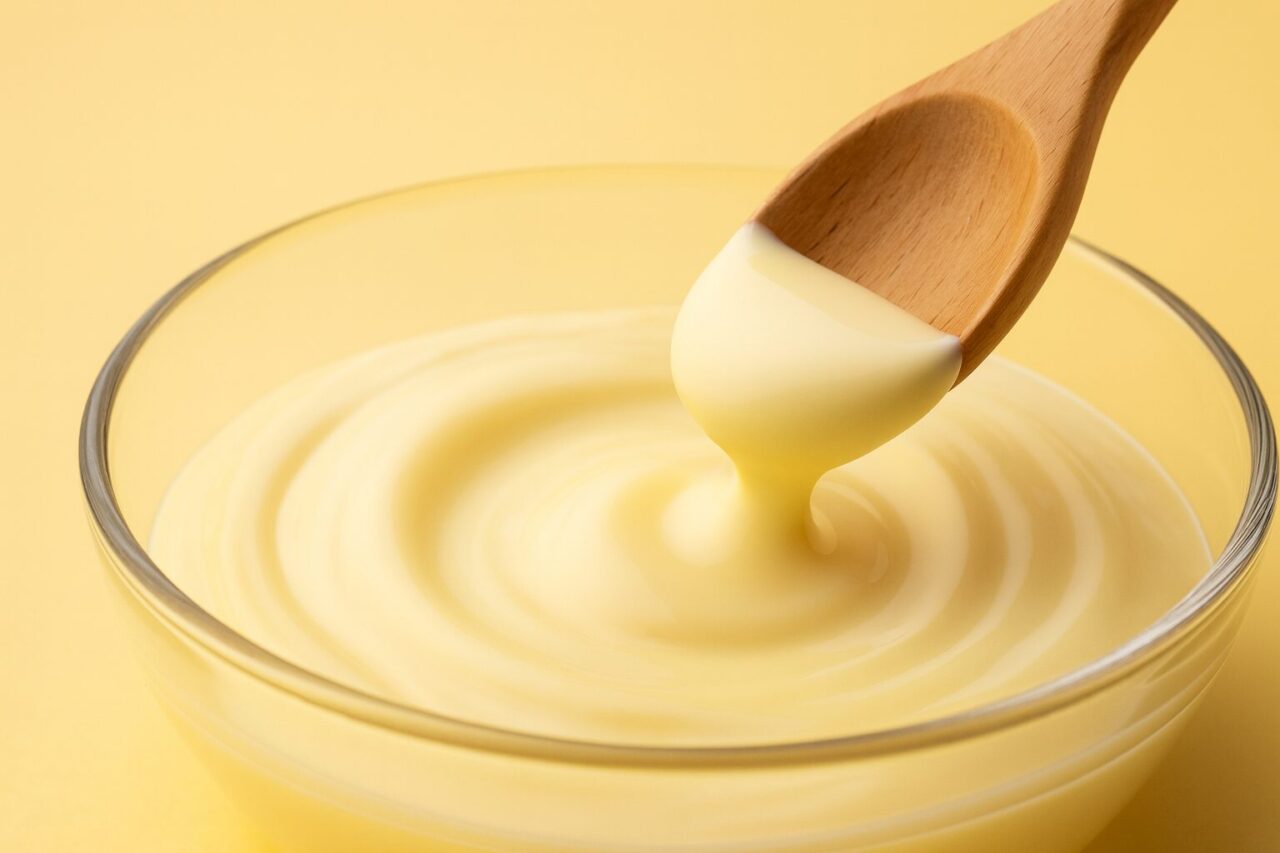
If you have already tried Kewpie mayonnaise, you probably do not need anyone to tell you that it tastes different.
It is richer and more egg-forward than the mayonnaise many Americans grew up with. It has a deeper savory flavor, yet it does not simply feel heavier. It works on sandwiches, but it also seems unusually at home on rice, fried chicken, roasted vegetables, sushi, and hot dishes.
That experience has inspired a line often repeated by fans:
“Kewpie is not mayo. It’s its own category.”
The interesting question is not whether Kewpie tastes good. It is why it tastes so different—and why Japan came to expect mayonnaise to do more than hold a sandwich together.
The answer begins with egg yolks, specially brewed vinegar, umami seasoning, and unusually fine emulsification. But ingredients explain only part of the story. Over the past century, Japanese households, restaurants, convenience stores, and even a long-running television cooking program turned mayonnaise from a Western salad dressing into a sauce used across everyday Japanese food.
“Japanese mayonnaise” and “American mayonnaise” are broad categories. Japan sells whole-egg products, and the United States has rich, yolk-forward regional brands.
The clearest comparison is therefore between two representative products: Japan-made Kewpie Mayonnaise and Hellmann’s Real Mayonnaise, one of the best-known American brands.
| What changes the taste | Japan-made Kewpie Mayonnaise | Hellmann’s Real Mayonnaise | What you notice when eating it |
|---|---|---|---|
| Eggs | Egg yolks only | Whole eggs and egg yolks | Kewpie tastes richer, more egg-forward, and looks more yellow |
| Vinegar | Mayonnaise-specific brewed vinegar made from ingredients including apple juice and malt | Distilled vinegar and lemon juice concentrate | Kewpie’s acidity blends into its richness; Hellmann’s has a clearer acidic edge |
| Seasoning | Umami seasoning; no sugar in the standard Japan-made product | Sugar and natural flavors | Kewpie tastes savory rather than sweet |
| Added water | Water is not listed as an ingredient | Water is the second listed ingredient | Kewpie feels denser; Hellmann’s spreads more lightly |
| Common culinary role | Adds a noticeable layer of flavor | Binds and coats ingredients | Kewpie behaves more like a sauce; Hellmann’s often behaves more like a spread |
The difference is not simply that one country makes “better mayonnaise.” The two products have been given different jobs.
American mayonnaise often supports a sandwich or deli salad without becoming its dominant flavor. Kewpie is frequently expected to change the dish—to add egg richness, acidity, umami, and a creamy finish of its own.
Japan-made Kewpie uses egg yolks rather than whole eggs. A standard 450-gram bottle sold in Japan contains the equivalent of about 3.6 yolks.
Egg yolks contain fat, flavor compounds, amino acids, and lecithin. Lecithin helps oil and water remain smoothly emulsified, while the yolks give Kewpie its yellow color, dense texture, and custard-like richness.
This is why a small amount still makes itself known in potato salad or on karaage. The mayonnaise does not disappear into the other ingredients.
Japan also has a broader cultural familiarity with the flavor and texture of yolk—from raw egg over rice to sukiyaki and countless “moon-viewing” dishes topped with an egg. You can read more about that background in Raw Egg Culture in Japan.
Most mayonnaise is primarily oil. Kewpie can taste intensely rich without feeling like a spoonful of plain fat because vinegar gives the flavor an exit.
When Kewpie first began making mayonnaise, Japan’s available vinegars did not produce the flavor the company wanted. It eventually developed a mayonnaise-specific brewed vinegar using ingredients including apple juice and malt.
The purpose is not to make the mayonnaise as sour as possible. The acidity must cut through the oil while remaining integrated with the yolk. That balance creates the apparent contradiction at the heart of Kewpie: it tastes concentrated, but it still makes you want another bite.
Japan-made Kewpie includes monosodium glutamate. MSG contributes glutamate, one of the principal sources of umami.
This does not merely make the mayonnaise “stronger.” It changes what the condiment can do. Its savoriness connects naturally with meat, fish, seaweed, rice, potatoes, cabbage, and soy-based seasonings.
For diners raised with dashi, miso, soy sauce, and other layered savory flavors, mayonnaise with umami can slip naturally into the logic of Japanese cooking. Our guide to dashi and Japanese umami culture explains why umami often works as a quiet foundation rather than an aggressive flavor.
Egg yolks alone do not fully explain Kewpie’s texture.
Mayonnaise is an emulsion: countless tiny droplets of oil are suspended in water-based ingredients with help from egg yolk lecithin. Kewpie says it refines its oil particles to roughly 2/1000 to 4/1000 of a millimeter—finer than those in typical homemade mayonnaise.
Smaller, more uniform droplets create a smoother sensation across the tongue. They also distribute acid, salt, egg flavor, and umami more evenly.
This helps explain why recreating Kewpie at home by simply adding more yolks and MSG does not always produce the same result. The recipe matters, but so does the physical structure of the sauce.
American shoppers may encounter three different directions of mayonnaise rather than a simple choice between “regular mayo” and “Kewpie.”
| Choice in the United States | Flavor direction | Best suited to |
|---|---|---|
| Familiar American mayonnaise | Light, smooth, and designed to bind ingredients | Sandwiches, coleslaw, tuna salad, and deli-style salads |
| U.S.-made Kewpie | Egg-yolk richness and umami adapted for the American market | Diners who want Kewpie character in a familiar, versatile format |
| Japan-made Kewpie | Dense yolk flavor, specialized vinegar, and the standard Japanese seasoning profile | Rice bowls, sushi, karaage, okonomiyaki, potato salad, and hot foods |
This third choice surprises many people because the Kewpie name does not always mean an identical recipe.
In the United States, shoppers may find an imported bottle marked “Product of Japan” and a California-made bottle marked “Product of USA.”
Both are official Kewpie products. Both use egg yolks and pursue the brand’s savory character. But their ingredient lists differ.
The current U.S.-made 12-ounce product includes soybean oil, egg yolks, water, several vinegars, MSG, sugar, mustard flour, and other seasonings. The standard Japan-made version has a shorter ingredient list and does not list added water or sugar.
Kewpie itself described the American product at its 2016 launch as having a taste close to Japanese Kewpie—not as being an identical copy. The current American formula and ingredient list can be checked on the official Kewpie USA product page.
If the Kewpie you bought in America tastes different from the bottle you remember from Japan, check the country-of-origin statement and ingredient label. You may not be imagining the difference.
The good news is that American shoppers are not limited to one “correct” version. They can choose familiar American mayo, localized Kewpie, or the Japan-made product according to the dish and their own taste.
The most famous mayonnaise origin story begins in 1756, when French forces captured the port of Mahón on the Spanish island of Menorca. A sauce associated with the victory was supposedly taken back to France, where its name evolved into mayonnaise.
Other theories connect the name to an old French word for egg yolk or to the French city of Bayonne. The exact origin remains debated, but French cuisine developed mayonnaise into one of the world’s foundational cold sauces.
The Japanese story began much later.
Kewpie founder Toichiro Nakashima encountered mayonnaise while studying in the United States in the 1910s. He saw it as both delicious and nutritious and wanted to use it to help improve the health and physique of Japanese people.
In 1925, his company launched Japan’s first commercially produced mayonnaise. It was not a faithful copy of the American product that inspired him. From the beginning, it used an egg-yolk-rich formula designed for Japanese tastes.
The journey is almost circular:
America introduced Nakashima to mayonnaise. Japan reformulated it. Japanese home cooking gave it new jobs. Kewpie then returned to America in both imported and localized forms.
A flavorful product does not automatically become a household necessity. People also need to imagine where it belongs.
Kewpie helped create that imagination through recipes, advertising, food education, and one unusually durable television program.
Kewpie’s Three-Minute Cooking began on CBC television in 1962, followed by the Nippon Television version in 1963. The concept was to provide useful ideas for everyday meals in a format as dependable as a weather forecast.
That comparison is revealing. Weather forecasts help people decide what to wear. Three-Minute Cooking helped households decide what to make for dinner.
The program did not simply demonstrate mayonnaise in every episode. It introduced practical Japanese, Western, and Chinese-style home cooking, with an emphasis on food ordinary families could prepare that day. Through this broader relationship with the kitchen, the Kewpie name became associated not only with a bottle but also with the daily act of cooking.
This matters because Japanese mayonnaise was entering a food culture in transition. Western-style dishes were spreading through school lunches and family kitchens. Refrigerators and supermarkets were changing how ingredients were stored and purchased. Families needed more than a foreign condiment; they needed ideas for using new flavors in ordinary meals.
Kewpie’s own English-language corporate history describes the program as a source of simple, convenient recipes for daily menu planning. Its development alongside Japan’s changing food culture can be seen in the official Kewpie history.
Kewpie therefore did not only respond to Japanese food culture. Over decades, it helped shape the situations in which mayonnaise, dressings, and Western-style sauces felt natural.
Kewpie’s corporate message in Japan is:
愛は食卓にある。
Ai wa shokutaku ni aru.
Love is found at the table.
The Japanese word shokutaku means the dining table, but it also suggests the shared space created by a meal. It is where people notice what others like, serve one another, talk about their day, and express care without necessarily putting it into words.
Kewpie explains the message by saying that eating is not only about taking in nutrients. The table can also be a place to feel the warmth of family, develop gratitude, and strengthen human bonds.
In that context, Three-Minute Cooking was more than long-term product promotion. It gave practical form to the slogan. If love can be found at the table, then helping someone answer “What should I cook tonight?” is one way a food company can help create that table.
This also explains why Kewpie has spent so much effort proposing uses rather than simply describing ingredients. A bottle becomes valuable when it helps someone make dinner, persuade a child to eat vegetables, prepare a quick dish after work, or discover a new family favorite.
The slogan, the television program, and a century of recipe suggestions all point toward the same idea: Kewpie wanted to become part of the meal, not merely an object in the refrigerator.
Television and manufacturers could suggest uses, but households, restaurants, and convenience stores completed the transformation.
Japanese potato salad typically combines mashed or partly crushed potatoes with cucumber, carrot, onion, ham, or egg. It may appear beside rice, miso soup, grilled fish, or fried food.
Mayonnaise was no longer confined to a Western salad course. It became one more everyday side dish on a Japanese table.
On okonomiyaki and takoyaki, mayonnaise is drizzled over hot food with sweet-savory sauce, seaweed, and bonito flakes.
Here, mayonnaise is not hiding inside a sandwich. It is visible, aromatic, and central to the finished flavor. Its acidity softens the sweetness of the brown sauce, while its yolk richness connects the toppings to the hot batter beneath them.
Adding oil-rich mayonnaise to fried chicken sounds excessive. Yet the pairing works because mayonnaise does more than add fat.
Vinegar cuts through the lingering taste of frying oil. Egg yolk amplifies the savory quality of the chicken. The emulsion spreads both effects evenly across the crust.
Karaage with Kewpie is a simple demonstration of why “rich” and “heavy” are not always the same experience.
Tuna mixed with mayonnaise was already familiar in American tuna salad. Japan’s major transformation was placing that mixture inside an onigiri.
A Western-derived sauce, mixed with canned fish, became a filling wrapped inside rice and seaweed. Tuna mayo is now treated alongside salmon, pickled plum, and kombu as an ordinary onigiri choice.
The full story is explored in The Origin and History of Tuna Mayo.
Japan is not the only country to reshape mayonnaise. The sauce adapts wherever it goes.
| Country or region | Representative style | Familiar uses | The role mayonnaise plays |
|---|---|---|---|
| Japan | Egg-yolk-rich, savory mayonnaise | Potato salad, tuna mayo, karaage, okonomiyaki, bread | Adds a distinct layer of flavor |
| United States | Smooth whole-egg or whole-egg-and-yolk mayonnaise | Sandwiches, coleslaw, tuna salad, deli salads | Binds and coats ingredients |
| France | Egg yolk, oil, acid, and often mustard | Seafood, eggs, cold dishes | Functions as a classical sauce made for the dish |
| Netherlands | Mayonnaise and sweeter, lower-fat fritessaus | French fries | Acts as a dedicated dipping sauce |
| South Korea | Rich standard mayo plus spicy and lighter variations | Salads, toast, street foods | Moves easily between home cooking and snacks |
| Philippines | Mayo and sweet, pickle-flavored sandwich spreads | Sandwiches, macaroni salad, celebration foods | Uses sweetness and creaminess as part of festive and everyday dishes |
Mayonnaise is not one recipe spreading unchanged around the world. Each food culture gives it a new responsibility.
Japan’s version became especially distinctive because the sauce moved so far beyond its original Western context. It entered rice, street food, convenience-store products, hot dishes, and the ordinary family dinner.
Kewpie’s versatility is not mysterious once its components are considered together.
Many aroma compounds dissolve readily in fat. Mayonnaise helps the aroma of pepper, spices, meat, fish, and toasted ingredients spread across the palate and remain noticeable longer.
Lecithin keeps the emulsion stable and gives the sauce a smooth coating action. In potato salad or tuna mayo, it turns separate ingredients into something that feels like one dish.
Oil and yolk build richness; vinegar creates contrast. This is why mayonnaise can make vegetables satisfying while also making fried food feel less monotonous.
When mayonnaise is baked or broiled on bread, fish, or vegetables, the surface browns and becomes aromatic. Its oil can help protect food from drying, while egg-derived compounds contribute to the cooked flavor.
Kewpie can be mixed, spread, drizzled, dipped, or baked. That makes it both a condiment and a cooking ingredient.
The phrase makes sense because Kewpie differs in two ways at once.
First, the product tastes different: yolk-rich, finely emulsified, acidic without being merely sharp, and unmistakably savory.
Second, Japan gave it a different culinary role. It is used not only to bind food but to finish it. It belongs beside rice as comfortably as bread, and on hot street food as naturally as cold salad.
Kewpie’s rise was therefore not the story of one secret ingredient. It was the combination of product design, manufacturing technique, recipe education, and millions of households discovering new uses.
Japan-made Kewpie combines egg-yolk richness, mayonnaise-specific vinegar, MSG-based umami, and very fine emulsification. Together, these create a dense, smooth, savory flavor that remains balanced by acidity.
Kewpie is a brand, while Japanese mayonnaise is a category. However, Kewpie dominates the Japanese market and has defined what many international shoppers expect “Japanese mayo” to taste like.
No. Both are official Kewpie products and both use egg yolks, but their ingredient lists differ. Check whether the bottle says “Product of Japan” or “Product of USA.”
The standard Japan-made Kewpie and the current U.S.-made 12-ounce Kewpie product both list monosodium glutamate. Recipes can vary by market, so check the label of the bottle you are buying.
Its egg-yolk-only formula gives it a deeper yellow color than products made with whole eggs and added water.
Its yolk, acidity, and umami give it enough flavor to connect mild rice with stronger ingredients such as tuna, seafood, chicken, or seaweed. It behaves like a seasoned sauce rather than a neutral binder.
Kewpie Mayonnaise was launched in Japan in 1925. It was Japan’s first commercially produced mayonnaise.
Kewpie does not taste different simply because it is Japanese.
It tastes different because Japan asked mayonnaise to do more than hold a sandwich together.
Kewpie reformulated mayonnaise with yolks, specialized vinegar, umami, and fine emulsification. The company spent decades helping households imagine how new sauces could fit into daily cooking. Families, restaurants, and convenience stores then carried mayonnaise into potato salad, fried chicken, street food, rice, and countless dishes its European and American predecessors were never expected to enter.
The story came full circle when Kewpie returned to the United States—both as the Japan-made original and as a version localized in California.
What began as a Western sauce became a Japanese household flavor, then returned to the world as something familiar enough to be called mayonnaise and different enough to feel like its own category.